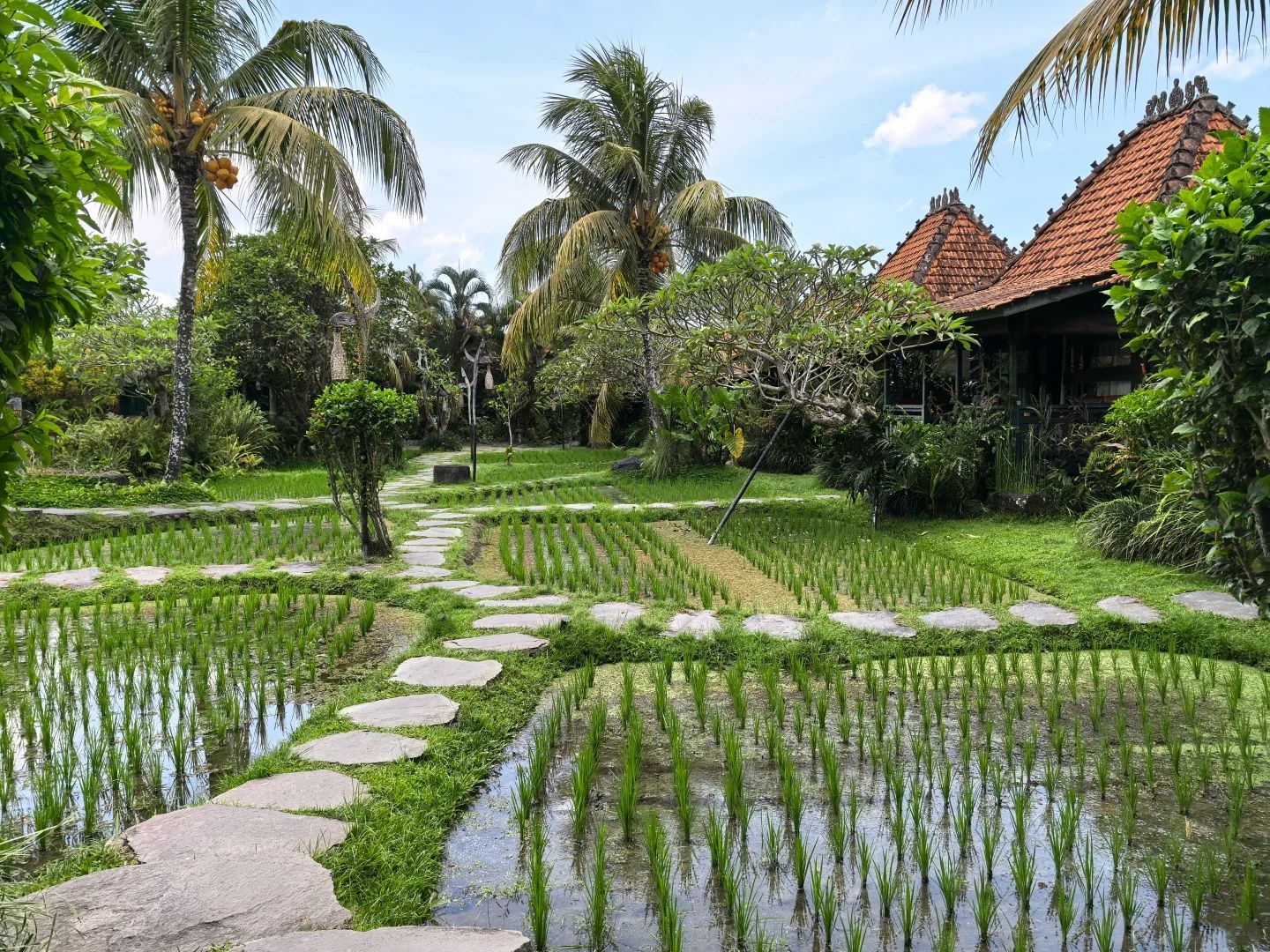
Many travelers write off Thailand in the rains. Locals call May–October the Green Season for a reason: fuller rice fields, stronger waterfalls, cleaner air after each shower, fewer crowds, and often the year’s best hotel and flight deals.
This is not weeks of gray drizzle. Most days follow a rhythm of heat and short showers—often later afternoon or evening—with usable sun from late morning into early afternoon. Once you understand regional timing and how to balance outdoor and indoor time, monsoon travel can feel quieter and more authentic than high season.
East Marvel’s default: choose the coast by month first, keep boat-heavy days flexible, put outdoor sightseeing in the morning, and hold a rainy-day plan (cooking class, spa, museum, mall). Do not build an Andaman island-hopping marathon for August–September.
Why visit in the rainy season?
Three advantages high season rarely matches.
Landscapes at their fullest. Paddies glow green, waterfalls run hard, and after a shower the light often turns sharp and golden.
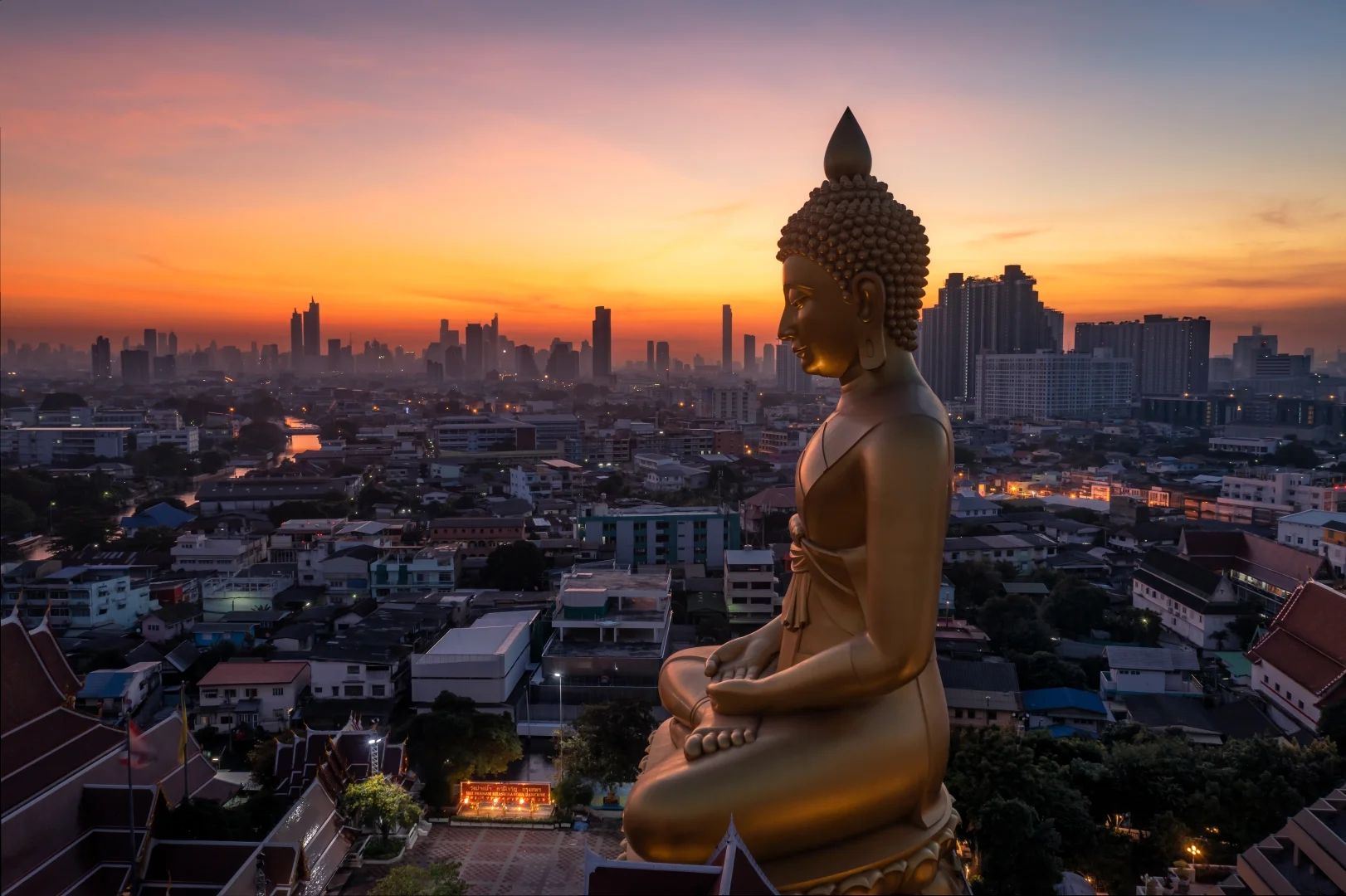
Fewer crowds. Grand Palace courtyards and Doi Suthep feel walkable again.
Softer prices. Hotels, flights, and many activities discount; the same budget often buys a better room.
The practical point: Thai rain usually arrives fast and leaves fast. Plan the day around that rhythm and the season rarely ruins the trip—it just changes the tempo.
When is the rainy season? Region by region
Broad pattern: dry season roughly November–April; rainy season roughly May–October under the southwest monsoon.
Thailand is long north–south and sits between two seas. Timing and intensity differ by region. One coast can be wet while the other stays workable. In monsoon months, choosing the right coast matters more than picking a random good week.
Andaman Coast
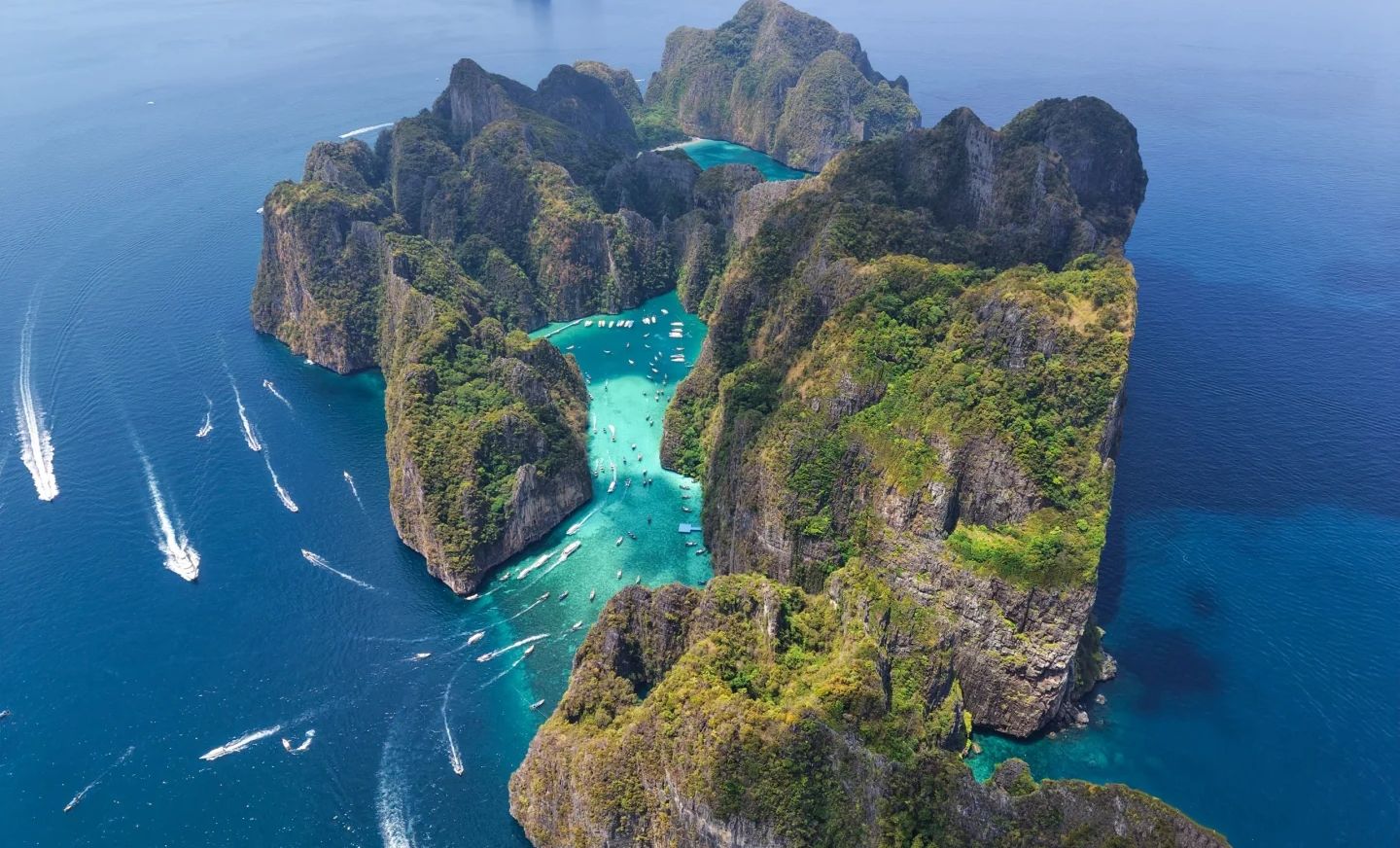
Phuket, Krabi, Phi Phi, and Koh Lanta.
Rainy window: about May–October; often heaviest around August–September.
Feel: short, intense afternoon showers; seas get rough; some ferries and water activities pause.
Travel impact: beach and dive days become less reliable; visibility often drops.
If you need a beach then: look at the Gulf—Koh Samui, Koh Phangan, or Koh Tao—instead.
Best Andaman beach window: about November–April.
Gulf of Thailand
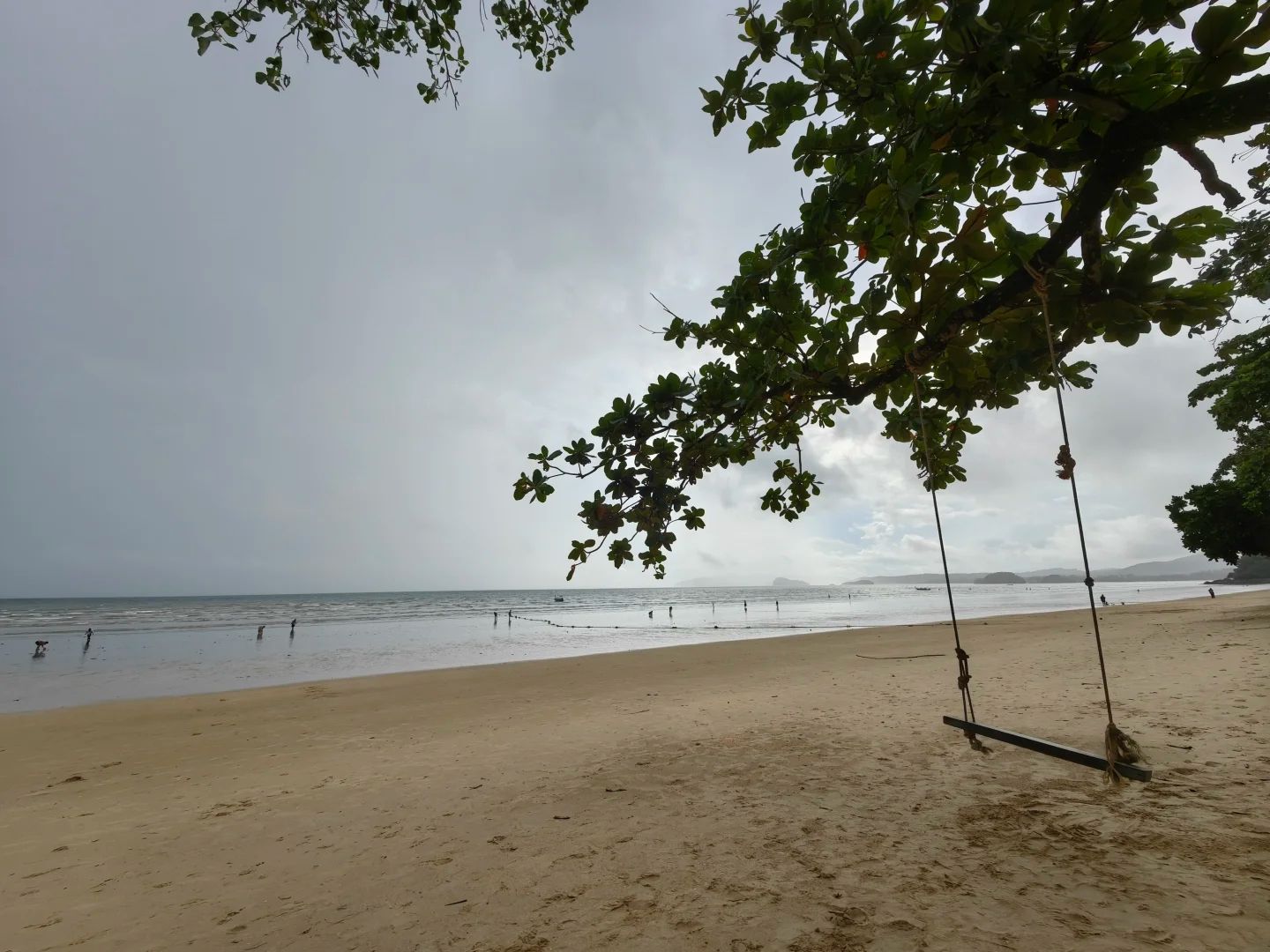
Koh Samui, Koh Phangan, and Koh Tao.
Rainy window: about October–December; often heaviest in November.
Feel: January–September is often the calmer, sunnier stretch—roughly the opposite of the Andaman peak wet.
Travel impact: November showers happen, but crowds and prices can be softer—useful for flexible travelers.
When the Gulf is wet: switch toward Phuket or Krabi if seas allow.
Stronger Gulf beach window: about January–September.
Quick rule for the two coasts
Andaman wet: about May–October.
Gulf wet: about October–December.
The two coasts complement each other. For monsoon island time, check the coast first, then the dates—not the other way around.
Northern Highlands
Chiang Mai, Chiang Rai, and Pai.
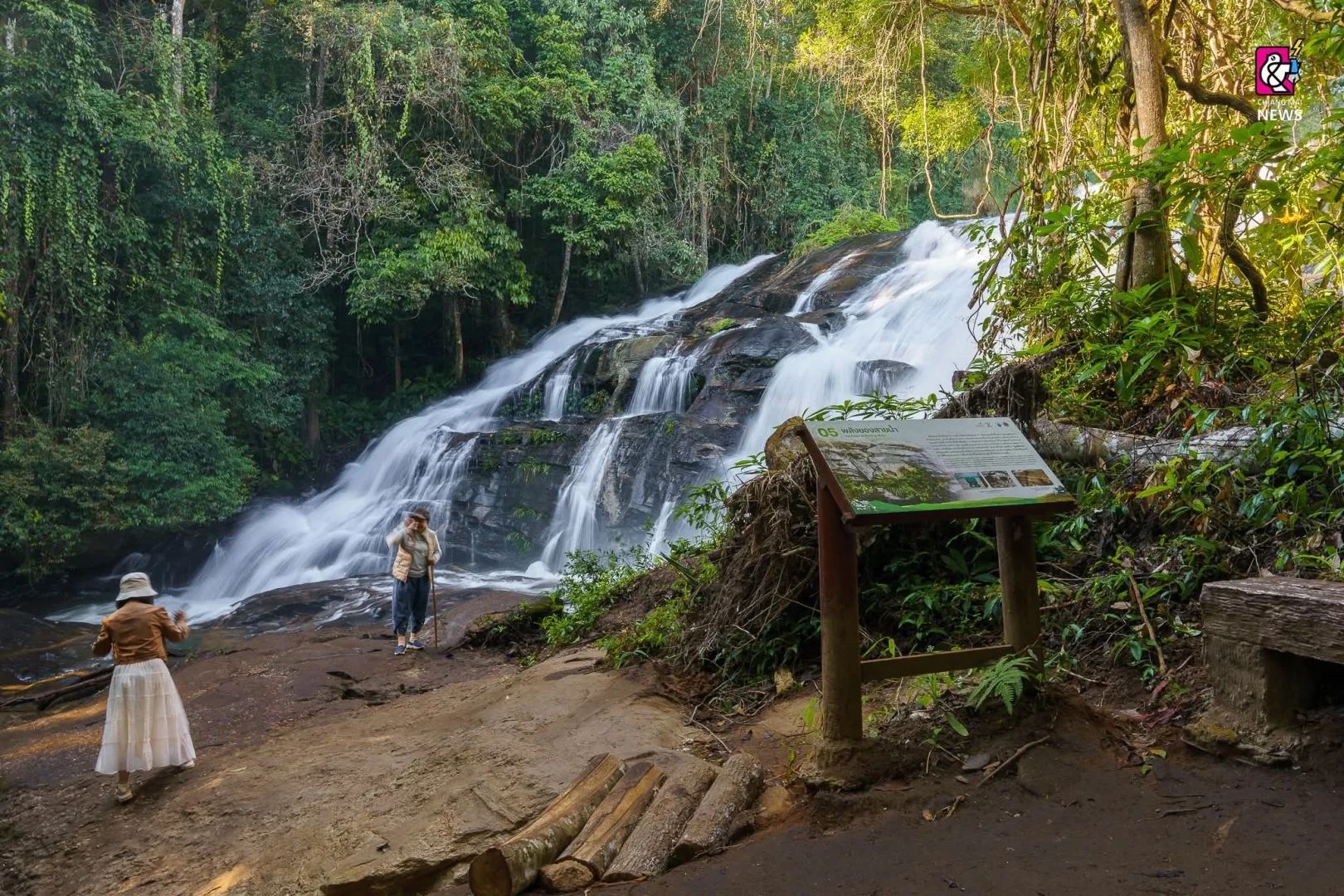
Rainy window: about May–October; often heaviest August–September.
Feel: frequent but short afternoon showers; mountains cooler and greener.
Travel impact: remote roads can get slippery; scenery—terraces, fields, waterfalls—is at its most alive.
Clearer, easier driving for treks: about November–February.
Central Plains
Bangkok, Ayutthaya, and Kanchanaburi.
Rainy window: about May–October; often heaviest in September.
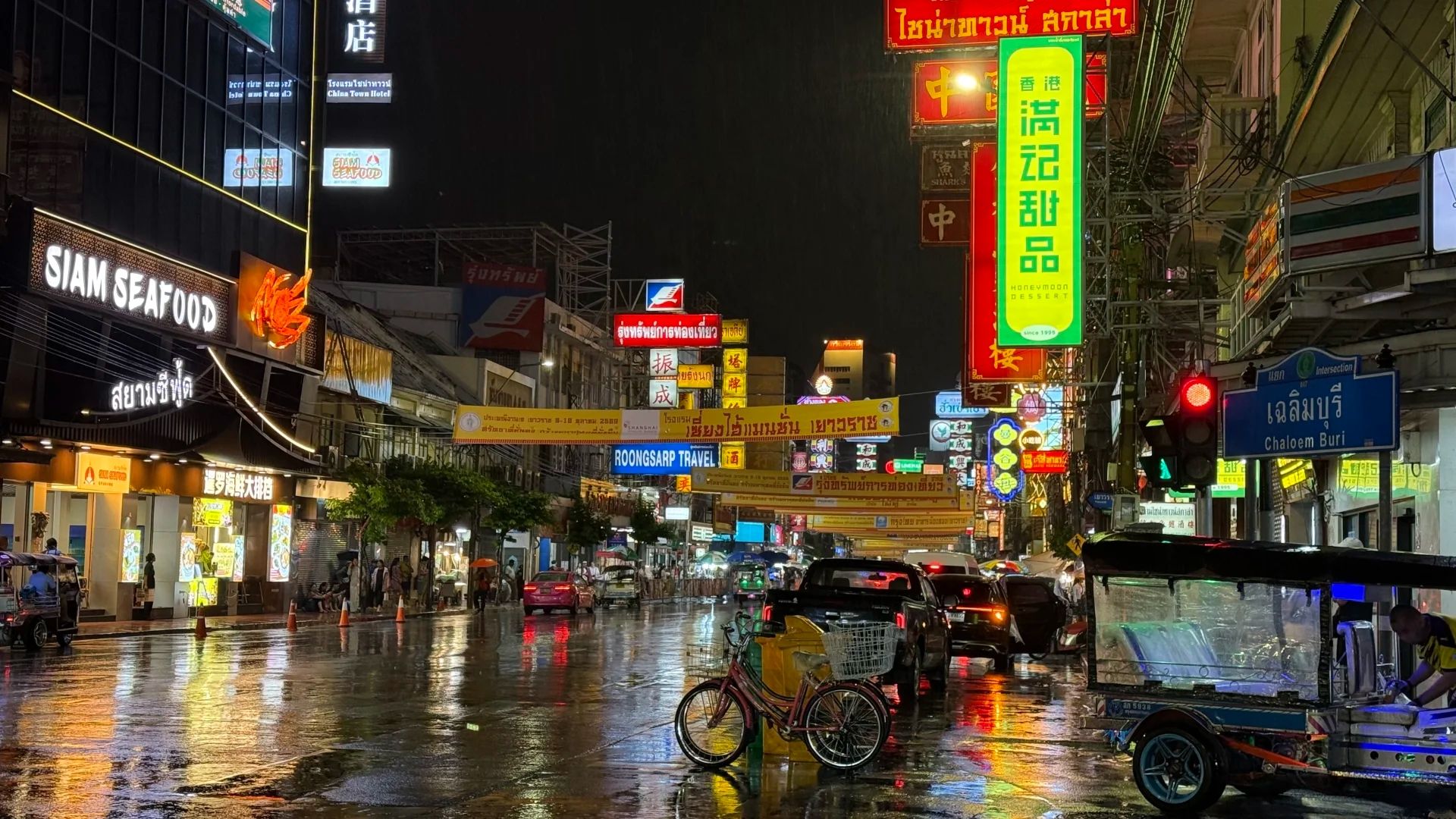
Feel: short, heavy afternoon or evening showers; low spots can flood briefly; many days stay hot and bright between storms.
Travel impact: outdoor sightseeing usually still works if you shift to mornings and keep indoor backups.
Indoor fillers: temples with covered areas, museums, malls, and cooking classes.
Monsoon overview by region
Andaman Coast. Monsoon about May–October, often peaking August–September. Rough daytime feel about 25–31°C / 77–88°F. Seas get rough and water activities may pause—consider the Gulf.
Gulf of Thailand. Monsoon about October–December, often peaking in November. Rough daytime feel about 26–32°C / 79–90°F. Often workable January–September; complements Andaman wet months.
Northern Highlands. Monsoon about May–October, often peaking August–September. Rough daytime feel about 23–29°C / 73–84°F. Cool and green; watch slippery mountain roads.
Central Plains. Monsoon about May–October, often peaking in September. Rough daytime feel about 26–33°C / 79–91°F. Short showers; load more indoor options.
Unsure how your dates fit? Decide the region first, then check this list—or send East Marvel your month and we will mark which coast to use and which boat days to keep flexible.
What is the rain actually like?
Not weeks of nonstop rain. A typical pattern looks like this.
Short, sudden, often later in the day. Late morning through early afternoon is frequently usable for outdoor plans; showers often arrive mid-to-late afternoon or toward evening and pass.
The hour after rain can be the best light of the trip. The sky clears, the air feels rinsed, and greens deepen. Many guests say their favorite photos come then.
Regional feel differs. Andaman showers can hit harder and end faster; northern rain is often softer.
In short: Green Season is sunshine and showers alternating—not a permanent gray lid. Work with the rhythm and you see a quieter Thailand high season rarely shows.
What to do: indoor culture to the right islands
Indoor and cultural sights work well when showers stack up.
Bangkok: Grand Palace early, Jim Thompson House, and the National Museum—solid rainy-day culture.
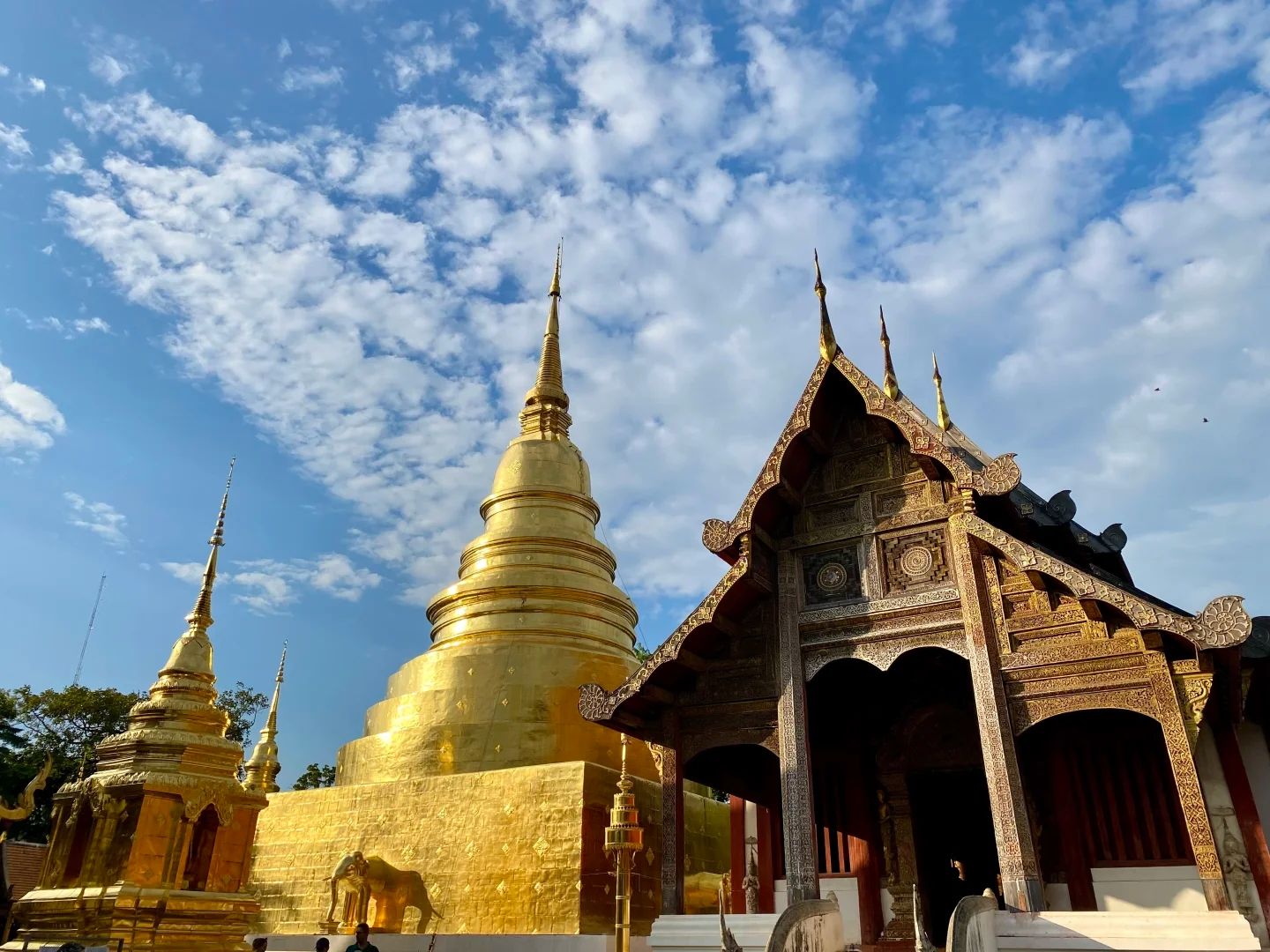
Chiang Mai: Doi Suthep in mist can be atmospheric; covered museums and cafés fill shower gaps.
Phuket: malls and indoor attractions work as backups. If beaches are the point of the trip, prefer Gulf islands in Andaman peak wet months rather than forcing boat days.
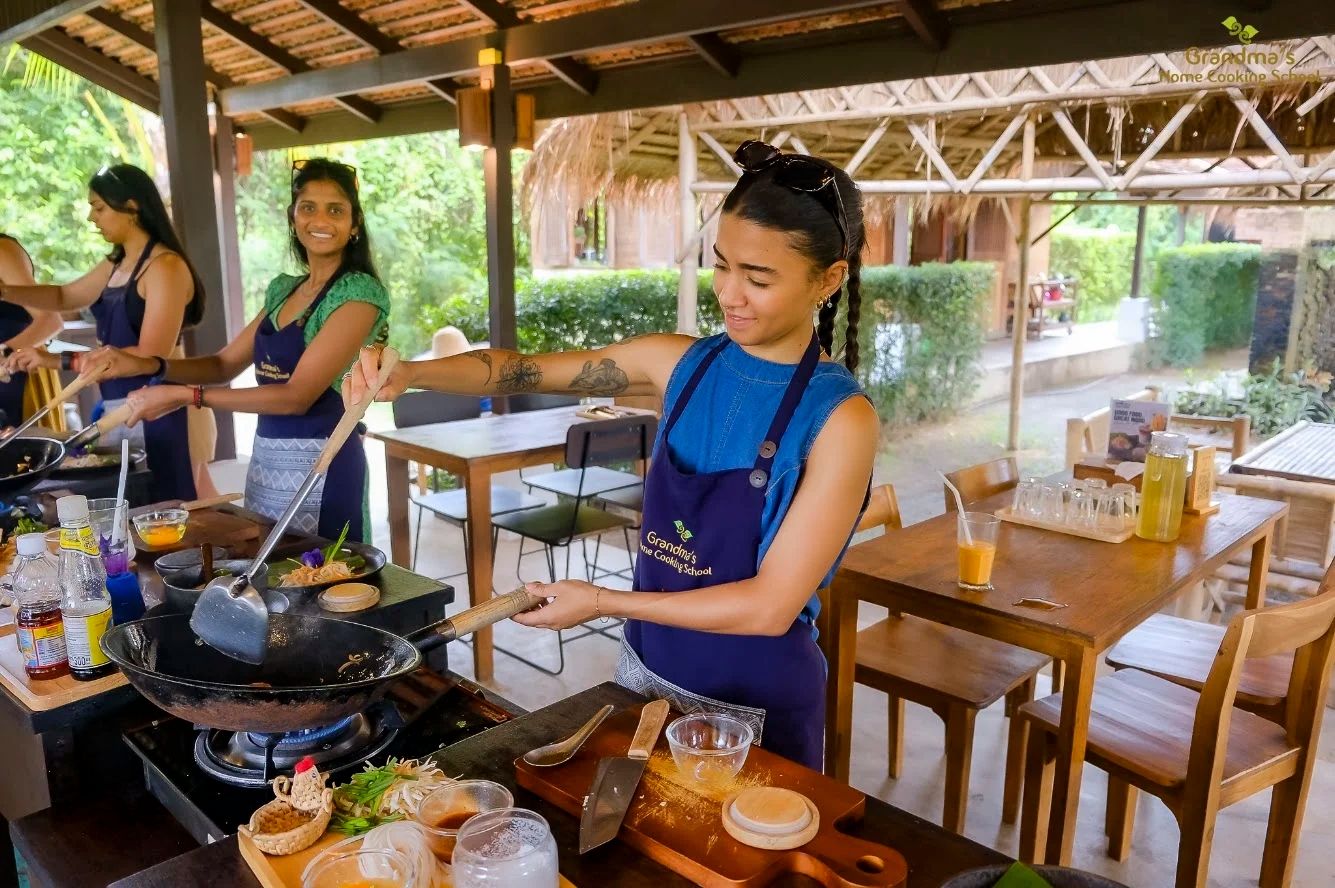
Thai cooking class
Often the best rainy-day plan.
Bangkok: chef-led classes covering pad thai, tom yum, mango sticky rice, and similar classics.
Chiang Mai: garden or home-style Lanna cooking—pick herbs, cook northern dishes; feels less like a classroom.
Phuket and the south: seafood-forward southern dishes when seas keep you ashore.
Shopping and spa
Shopping is largely rainproof.
Bangkok: ICONSIAM, Siam Paragon, CentralWorld; for crafts, Chatuchak on the weekend or Pratunam with a covered-exit plan.
Chiang Mai: Night Bazaar and craft villages for silver, wood, and textiles at a slower pace.
Phuket and Krabi: spa products, beachwear, and coconut oil from boutiques and local markets.
Use rain as background sound for wellness: Thai massage and rooftop spas in Bangkok; herbal steam and quiet retreats around Chiang Mai; coconut, lemongrass, and jasmine treatments on southern islands when you stay put for a wet afternoon.
Island hopping: coast choice is everything
Prefer Gulf islands—Samui, Tao, Phangan—when Andaman seas are rough.
Check ferry and speedboat status the day before, and again the morning of.
Skip tiny remote islands with thin services if forecasts look unstable.
Carry travel insurance that covers weather delays and cancellations.
What to pack
Principle: travel light; buy easy consumables in Thailand.
Bring from home: comfortable clothes you already like, underwear, and any regular medicines or supplements. Check with your doctor first.
Buy locally: 7-Eleven waterproof phone pouches useful on boats, sunscreen, mosquito repellent, cheap rain ponchos. Swimwear is easy in malls.
Clothing: Thailand stays warm—no heavy layers for daily wear. If you fly from a cold climate, wear the bulky jacket on the plane home rather than packing it for two weeks.
Sensitive skin: bring the toiletries you already tolerate.
Safety and travel tips
Check the forecast daily; put outdoor blocks in the morning when you can.
Do not swim in rough seas during storms.
If boats are canceled, stay ashore—do not push captains to go.
Buy travel insurance that covers weather-related delays.
Carry a light rain jacket or compact umbrella; keep phone and camera in a dry pouch.
For private trips, ask in writing whether island days can swap to cooking, spa, or a city block if seas close.