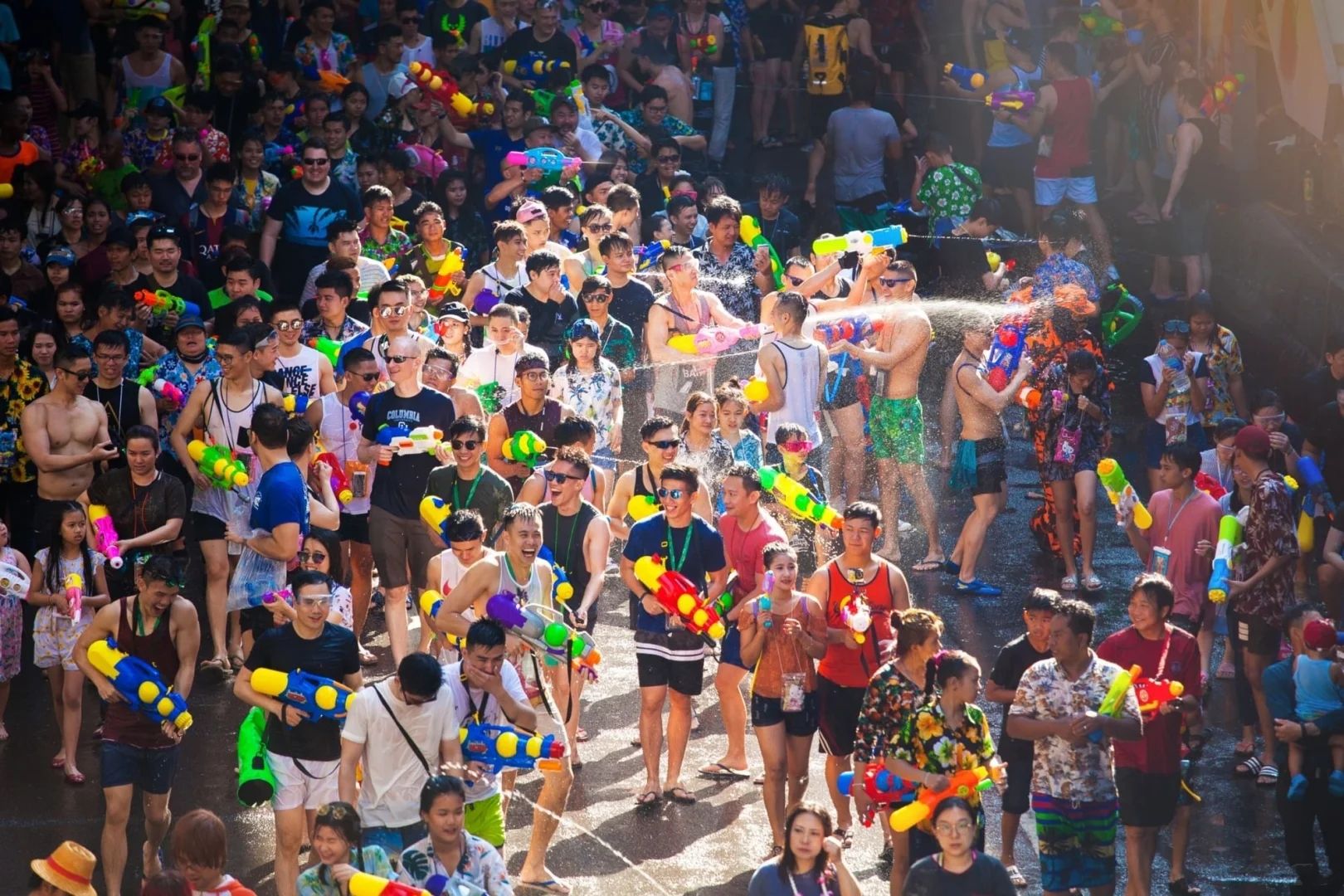
Songkran is Thailand's traditional New Year—and the street water fight the world knows by photos. Core dates usually fall around April 13–15 (2027 should land on those three days; reconfirm the official calendar before you pay). For Western travelers, the question is rarely "Is Songkran fun?" It is whether you still want the city at midday in hot season; whether a quiet honeymoon somehow got booked on Silom; or whether flights and hotels have doubled with no waterproof plan and no buffer to change days.
East Marvel's order: a default yes or no first, then where, cost, etiquette, and how it fits a private itinerary.
What Songkran is
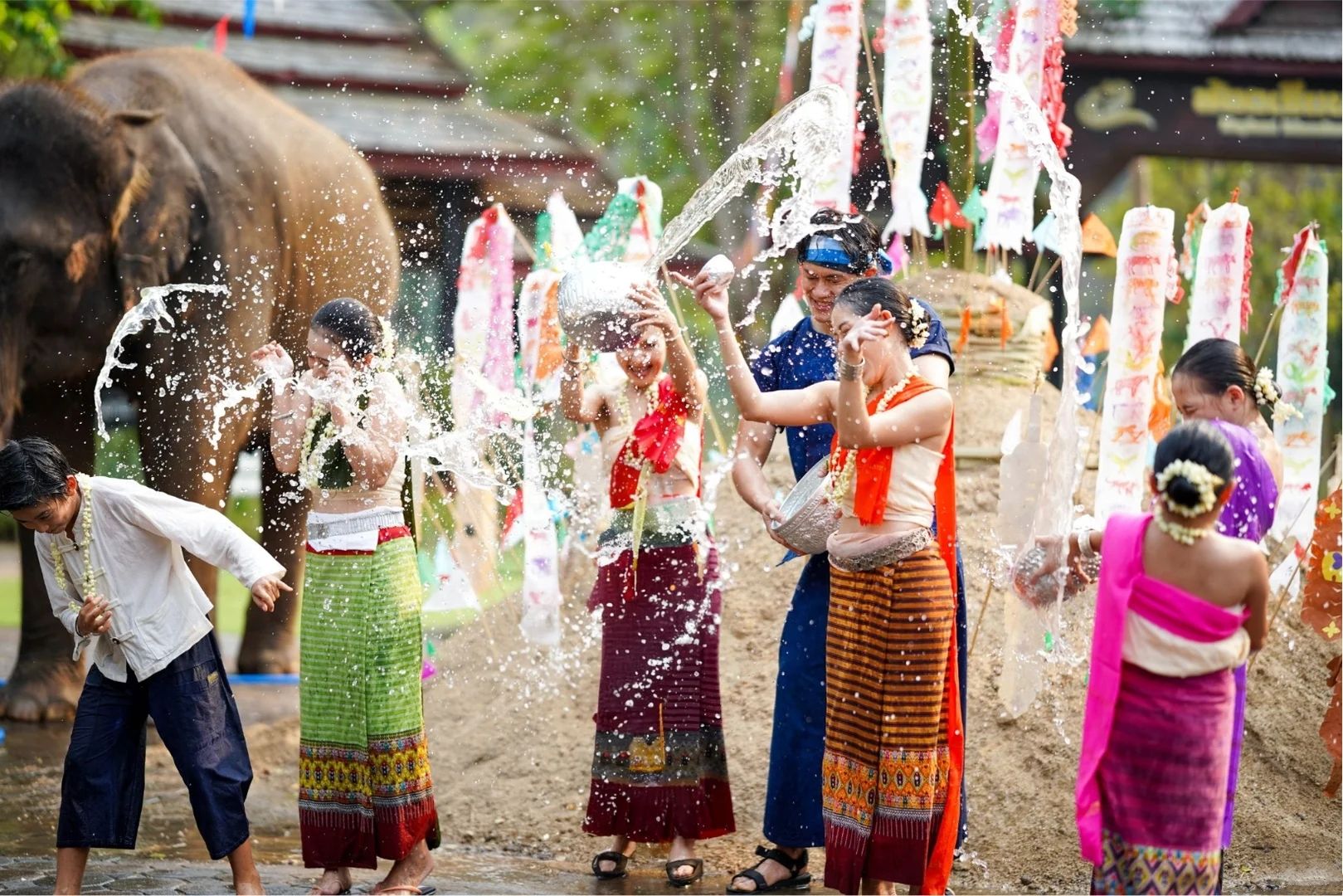
Songkran is Thailand's traditional New Year. Temples hold merit-making, Buddha bathing, and respect for elders. Streets turn into mass water fights, washing away the old year's bad luck and welcoming the new.
Travelers meet two layers at once.
Cultural layer: temples, family gatherings, and a city that slows down or reroutes.
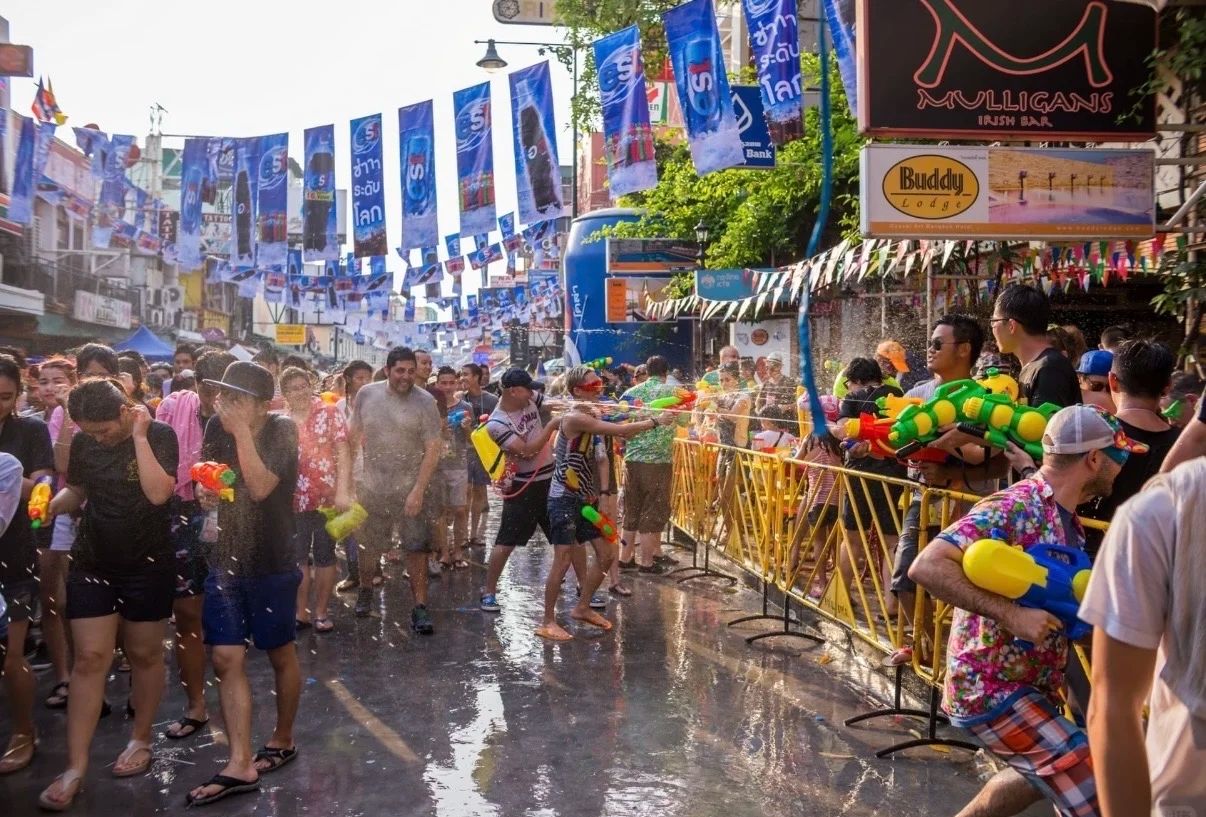
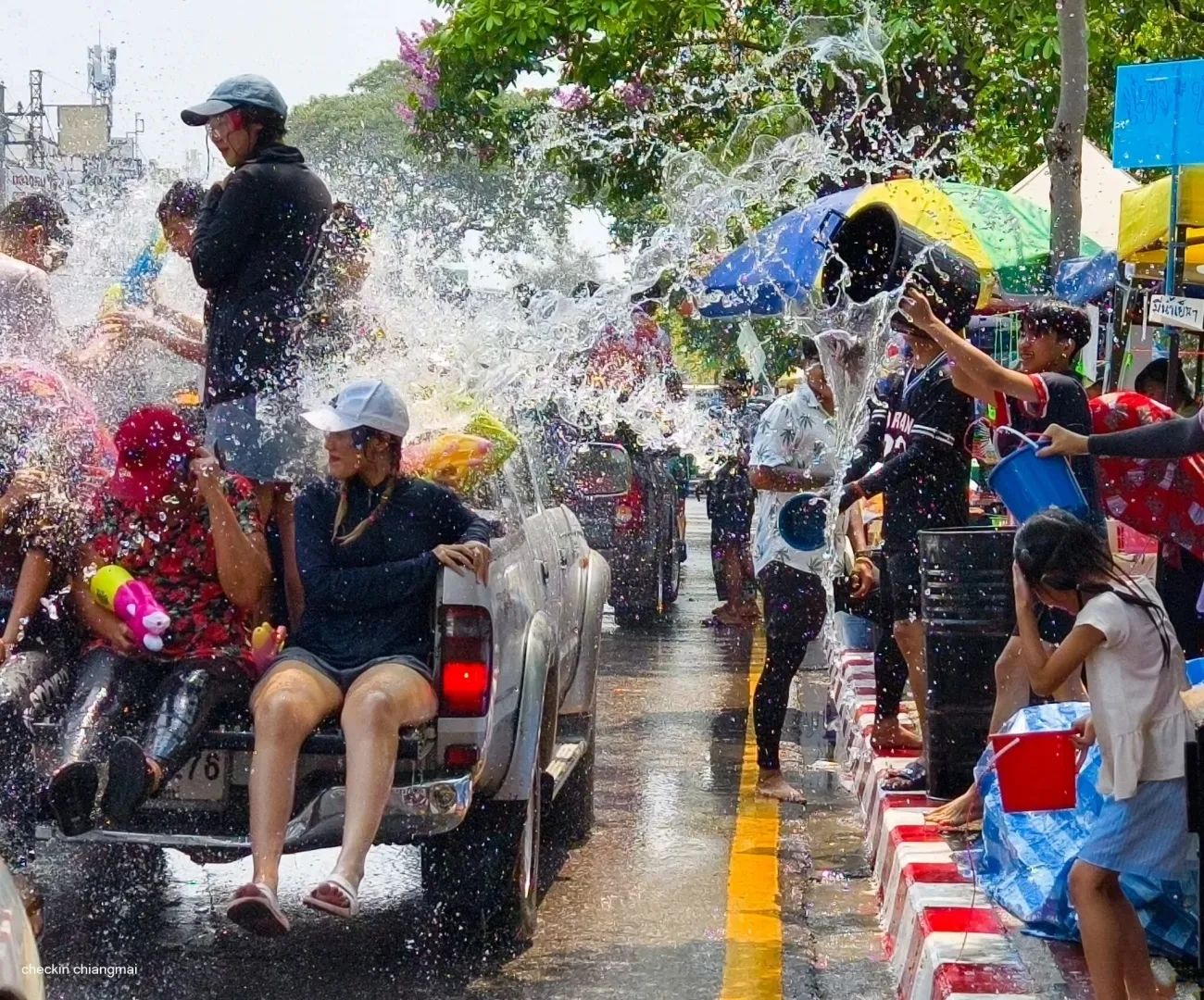
Street layer: water guns, pickup trucks of water, powder, and music. On the main streets it is hard to stay fully dry, even as a bystander.
The official core is usually three mid-April days. Some places, such as Pattaya's Wan Lai, stretch the party. Follow that year's local notices.
Is it worth coming for Songkran?
You want Thai New Year street energy, you can handle heat and getting wet, and the trip is city-led. Then yes. Prefer Chiang Mai or Bangkok, and book early.
You want a quiet honeymoon beach, you are traveling with elders or young children who hate crowds, or you cannot face Grand Palace queues at midday in hot season. Then do not put the core three days on a water-fight street. Use a softer island edge, or skip mid-April entirely.
Worth it when the atmosphere is one of a kind, not a generic peak-season sale. Chiang Mai's moat and Bangkok's Silom and Khao San deliver the full street show. The trip's point is this festival.
Hot season, about March to May, is already muggy. Water-fight days are wetter and louder. Hotels, flights, and drivers often jump, and popular zones may add minimum stays. Shops and some offices close or shorten hours. Detours and traffic jams are normal. Phones, passports, and tickets need a waterproof plan, or a half day is ruined.
Songkran is a theme trip, not a cheaper stopover. A lower price almost never happens.
Where to celebrate
Bangkok. Best for a big spectacle and easy flights. Silom and Khao San hit hard. A quiet honeymoon should not sleep on the water-fight strip.
Chiang Mai. Best when you want tradition and street energy together. The old-city moat is the classic route. It is still hot and wet. Many Western guests prefer this pace.
Phuket. Best if you are already on the Andaman and want a beach version. Patong runs louder. Calmer beach hotels sit elsewhere on the island.
Pattaya. Best for a short hop from Bangkok and a longer party. Wan Lai often shifts or stretches the dates. Check that year's notice.
Koh Samui and other islands. Best for softer seaside splashing. Usually lighter than Bangkok or Chiang Mai. Do not assume the island stays dry.
Culture and water fights both matter: Chiang Mai for 3–4 nights. Keep the core three days somewhere you can join in, or step aside, on foot.
You only need to have done it once: Bangkok for 2–3 nights, with one focused Silom day. Skip midday outdoor queues on the other days.
You are already on an island: join lightly where you are. Do not fly north and south only for Songkran.
Do not put the Grand Palace, or any long outdoor queue, at Songkran noon.
Do not book a quiet riverside hotel on the main battle street and expect to stay dry.
Do not carry non-waterproof gear with no dry bag.
How much extra it costs
Songkran is event pricing, not shoulder-season math.
Flights and popular hotels: book months ahead. Treat it like a peak, not a discount window.
Mid-range private ground costs—hotels, car and guide, listed meals and transfers—can still be planned around the familiar USD 150–200 per person per day. Festival rates, driver overtime, and detours push the total up. Confirm the figure in writing.
Compulsory gala dinners are less common than at island New Year. Minimum stays and sold-out weekends are common.
Sleep outside the main splash zone. Use a private car for point-to-point moves instead of sitting in gridlock all day. Put temple Buddha bathing and the street fights on different days.
Water-fight tips and etiquette
Phone, a passport copy, and cash go in separate dry bags. Keys and tickets go in a waterproof pouch.
Wear quick-dry fabric and shoes that can get wet. Pale, thin shirts go see-through when soaked.
Do not blast monks, elders, infants, or anyone who is clearly refusing. Ease off near temples.
Use clean, cool water only. No ice blocks, and nothing mixed in that can harm skin or eyes.
Watch your bag. Drinking and water fights raise slips and theft. With children, use quieter streets and off-peak hours.
Build in delay time. Some roads close, and Grab may detour a long way. Skip the main battlefield the day before a flight you cannot miss.
About East Marvel
East Marvel plans private trips for Western and international guests. For Songkran we do not default to three days soaked on Khao San with the whole family. We ask first: water fights, temple culture, or simply free in April?
Say whether April 13–15 is fixed, how many people are traveling and the children's ages, whether you prefer Bangkok, Chiang Mai, or an island, and any day that must stay dry, such as an anniversary dinner. We will mark a default city, which days to leave the street, how to pick a hotel zone, and whether transfers or sight openings change for the festival.
Related reading: East Marvel's How to Plan a Trip to Thailand in 2027: 7 Easy Steps, the cool / hot / rainy when-to-go guide, and the Thailand 2-Week Itinerary.
FAQ
Is Songkran only three days? The core is usually about April 13–15. Some cities start early or run late. Follow that year's local notices.
Is it okay with children? Yes, if you choose the intensity. The edge of Chiang Mai, or an island, is steadier. Bangkok's main battlefield is loud and packed for small children.
Will we get soaked anyway? On the main streets, staying dry all day is unlikely. If you want to stay dry, leave the battlefield and use a higher floor or a beach zone that is not throwing water. You may still get splashed outdoors.
Can we still visit temples? Yes. Dress and behave for temple rules. Buddha bathing and street water guns are two different scenes. Do not treat them as one activity.
Does this clash with hot season? Songkran sits inside hot season. If you cannot handle the heat, you will not enjoy the water.