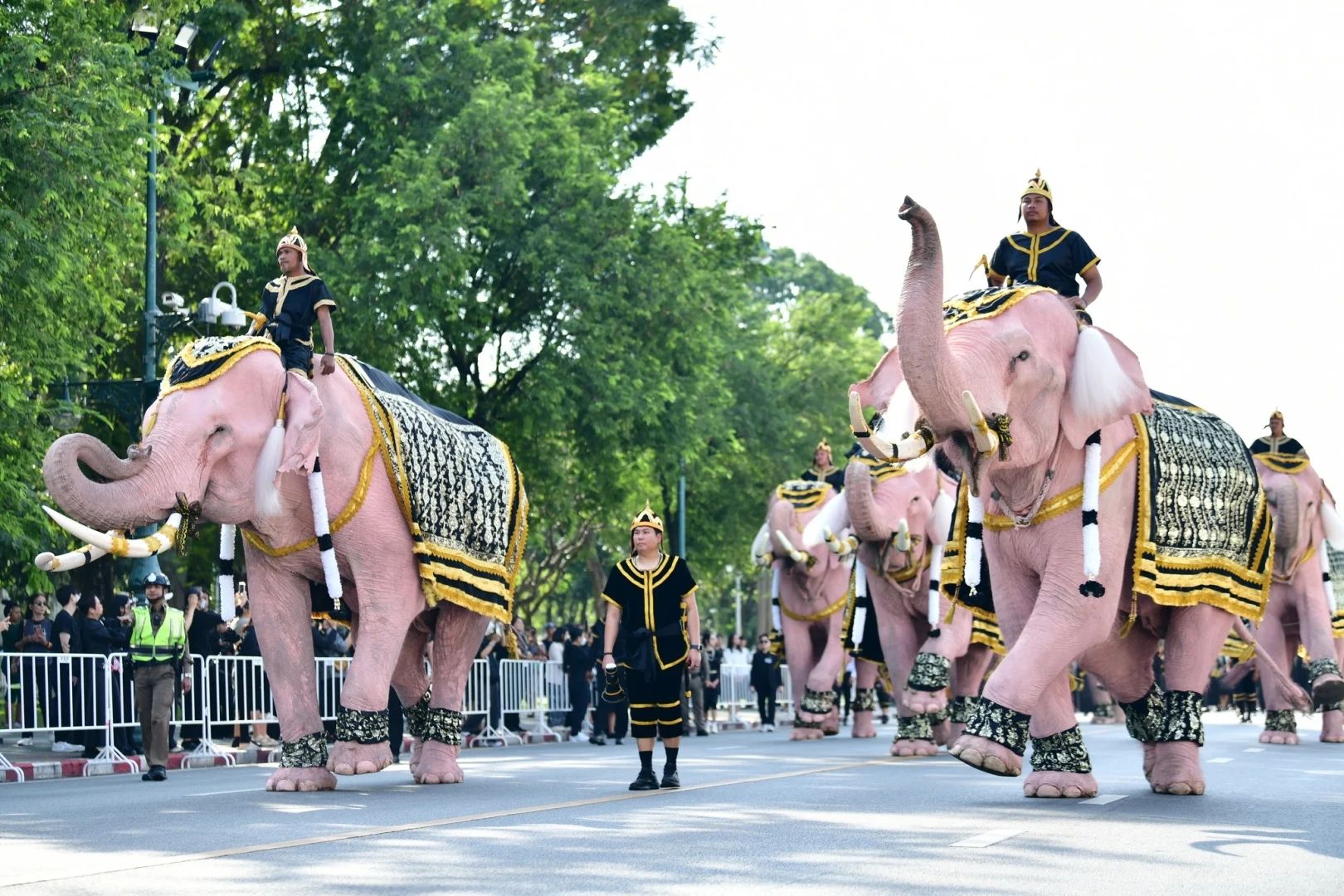
Thailand has 80-plus elephant camps around Chiang Mai, the Bangkok area, Phuket, and beyond. With so many options, the real questions are: Where should you go? Is it ethical? What actually happens in a half day?
For Western travelers, the trip rarely fails because you did not see an elephant. It fails when you end up at a riding camp, a show, or a forced bathing photo stop. Below is a regional default first, then six sanctuaries we are willing to recommend—plus cost, a typical visit, best timing, and whether you can stay near the elephants.
Where to go for an elephant experience
If you want one default: Chiang Mai first, then Kanchanaburi (day trip or one night from Bangkok), then Phuket.
Ethical options exist in the north, center, and south. If your itinerary already includes Chiang Mai, you do not need to fly south only for elephants. If you are already in Phuket or Krabi, pick a nearby ethical site. Do not fly back and forth just to check Chiang Mai elephants off a list.
North: Chiang Mai, Chiang Rai, Lampang. Chiang Mai has the densest cluster of ethical sanctuaries. Mountains and cooler air also suit longer observation. Chiang Rai and Lampang are quieter, with smaller groups—better if you want to avoid big tour crowds.
Central: Kanchanaburi, Pattaya. If you are not going north, Kanchanaburi near Bangkok is the stronger ethical pick—slower pace, more observation and education. Pattaya only makes sense when time is extremely tight and distance is the only driver. Still filter by the ethics rules below. Do not choose on commute alone.
South: Phuket, Koh Samui, Krabi. Phuket has the most mature ethical options and visitor setup. Krabi is quieter, with smaller groups. Samui has few choices—elephants are not native to the island. One ethical sanctuary is enough. Do not force a half day of elephants onto Samui just because other islands have them.
How we define truly ethical
There is no single global badge. When East Marvel screens a site on the ground, we at least require:
No riding.
No shows or circus-style tricks.
No long-term chaining for display.
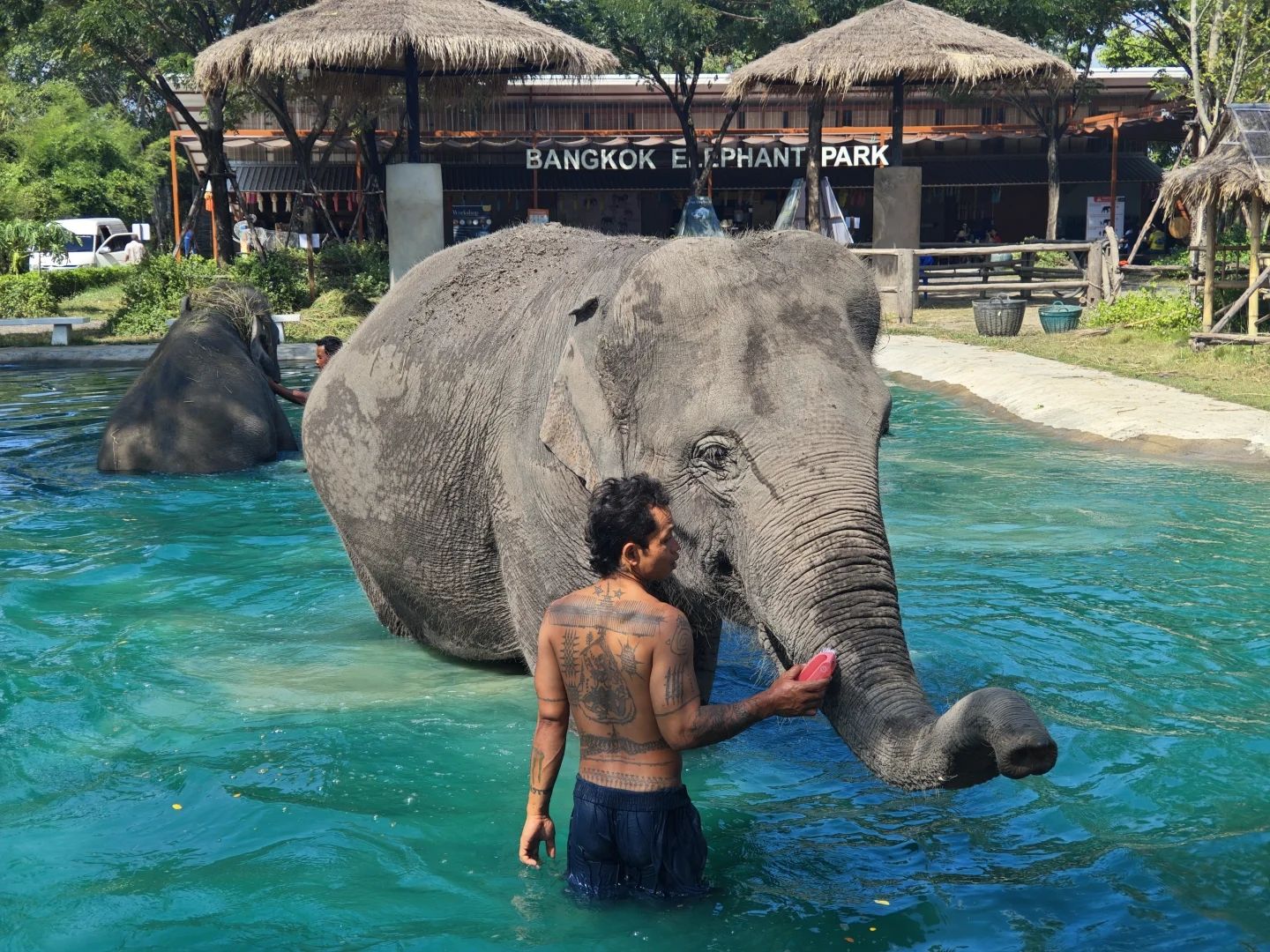
Bathing only if the elephant chooses—forced tourist wash-and-photo sessions are not the product.
Staff attitude, group size, and schedule put the elephants first. We visit, and we listen to what guests report after.
Only sites that clear this bar make the list of six. Bigger grounds or prettier photos do not get a pass.
Elephant Nature Park | Chiang Mai
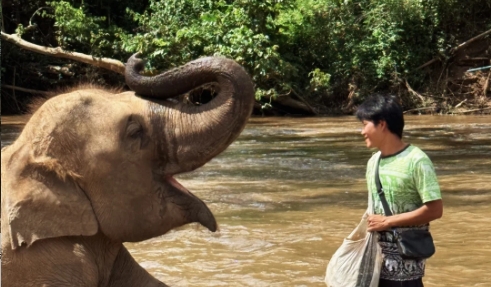
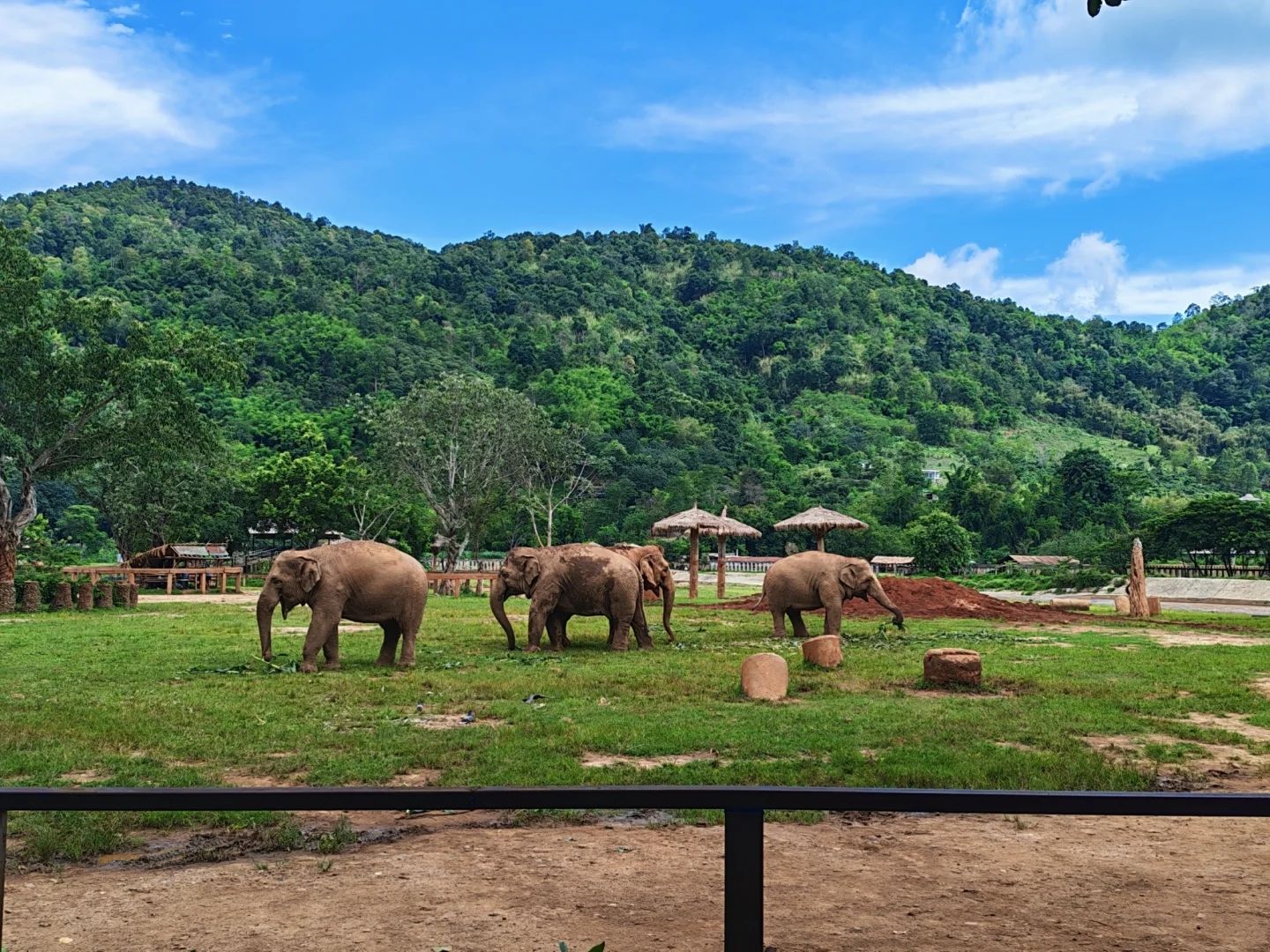
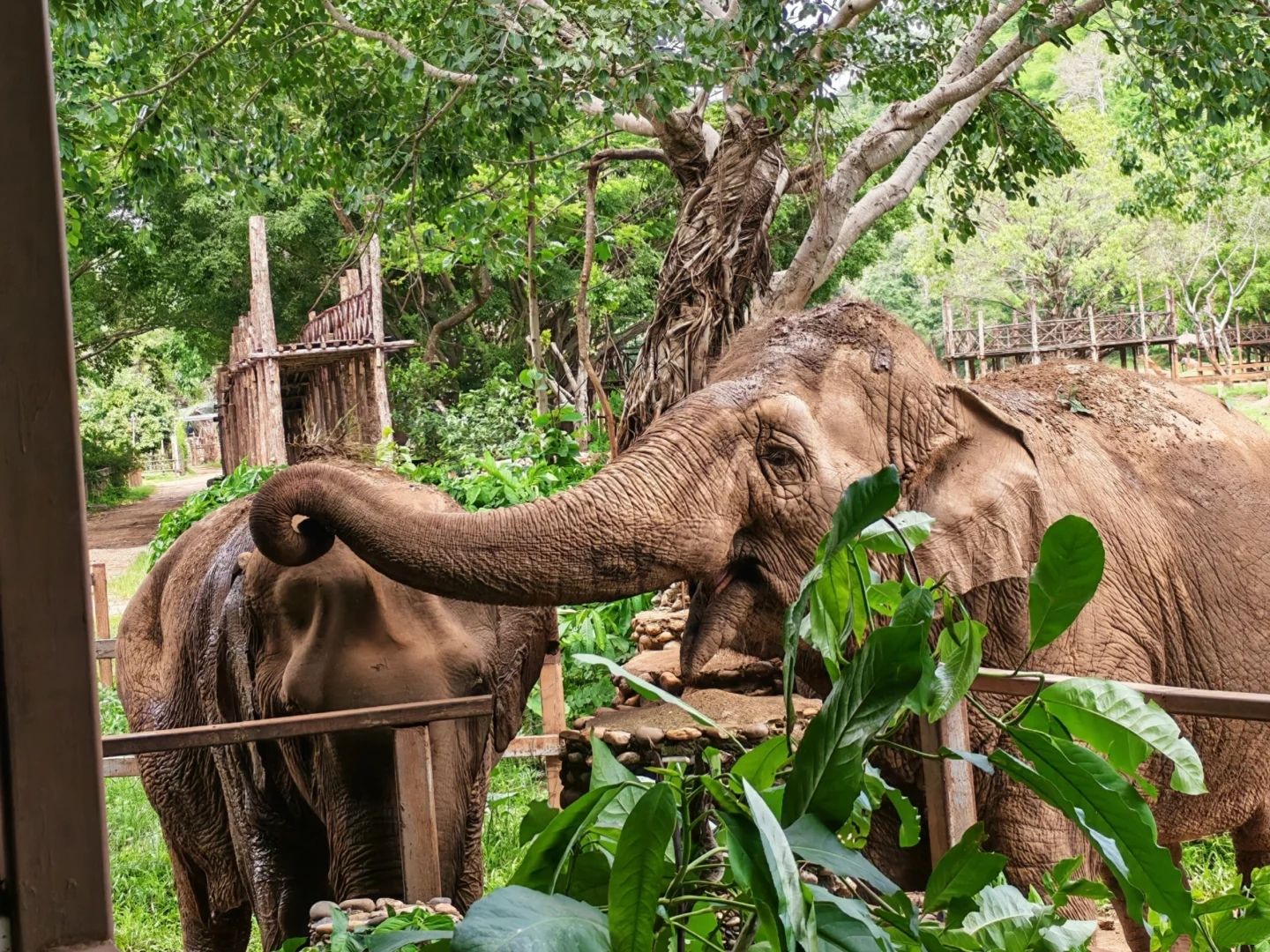
A favorite for many first visits. One of Asia's earlier true sanctuaries, home to 100-plus rescued elephants and other animals. The style is hands-off: no riding, no forced bathing; elephants roam freely. Visitor contact is usually limited to feeding. SkyWalk and similar options lean fully observational. Week-long volunteer stays exist for deeper immersion. Best if it is your first time and you want to know what a real sanctuary feels like.
Somboon Legacy Foundation | Kanchanaburi
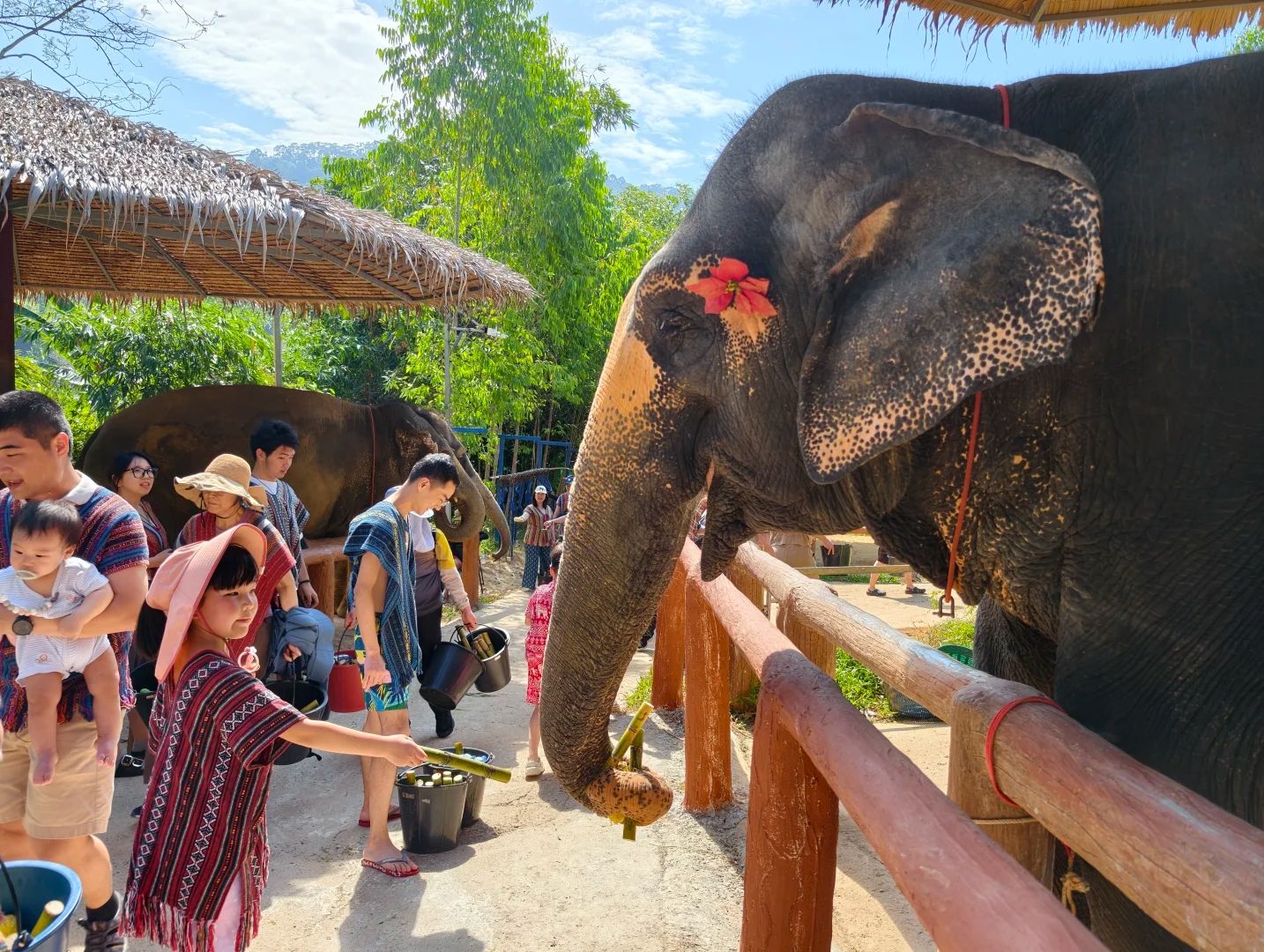
The strong ethical, observation-first choice in central Thailand. A non-profit caring for elderly, injured, and rescued elephants. Small scale: about three elephants, roughly a dozen visitors a day at most. The day is observation and education; guest feeding and bathing are usually not part of it. Best from Bangkok when you want quiet depth, not a large group.
Phuket Elephant Sanctuary | Phuket
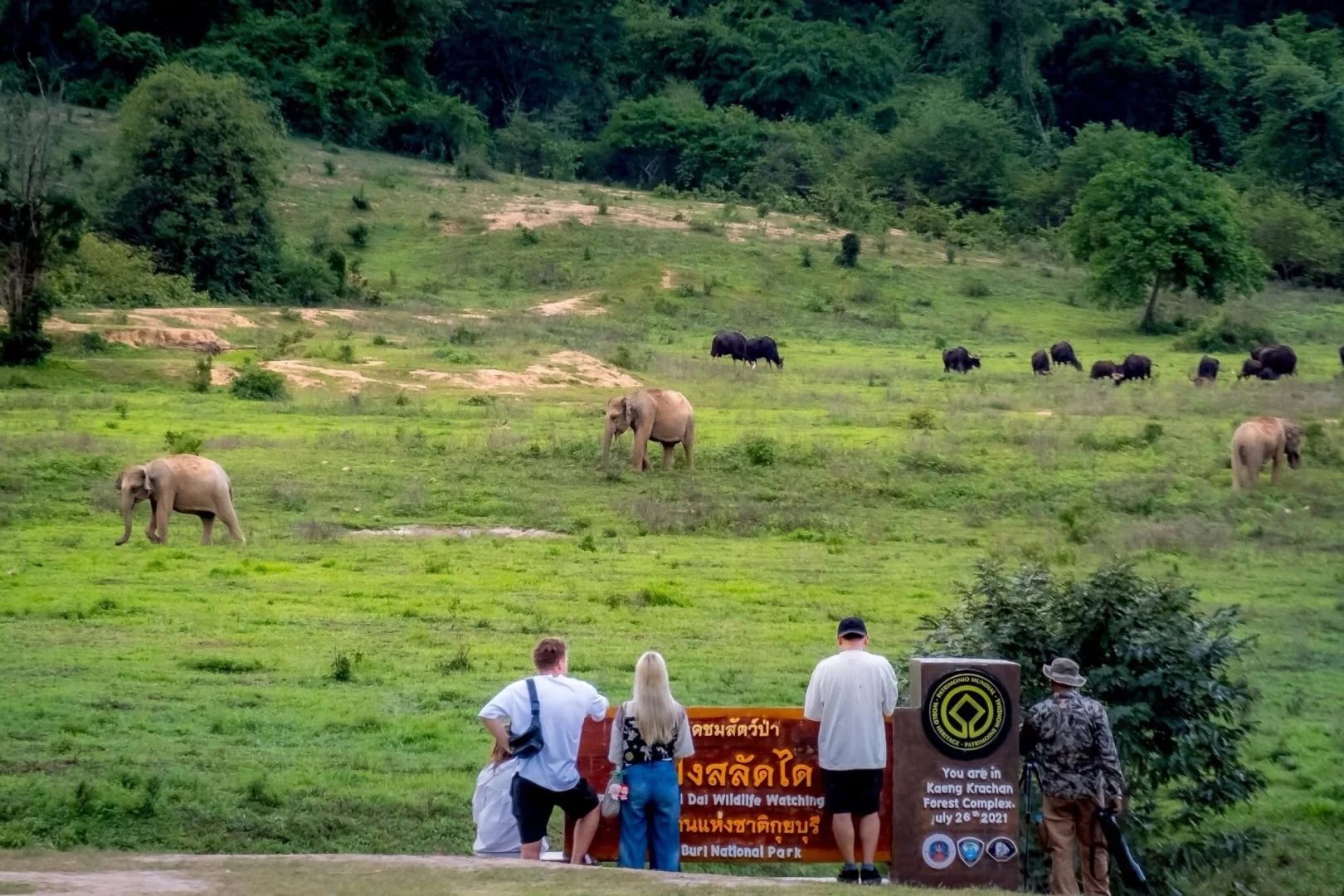
Among the island's earlier no-riding sanctuaries, with about 20 rescued elephants. Half- and full-day programs typically include feeding and walking alongside—no shows, no forced bathing. A long canopy walkway lets you observe from above with zero contact. The default ethical half day if you are already in Phuket.

Elephant Hills | Khao Sok
More a luxury tented jungle camp than a classic park day trip. Hands-off elephant time in a rainforest setting; no riding, no performances. Kayaking, swimming, and Cheow Lan Lake sit alongside—elephants are one layer of the stay, not the whole product. There is also a Chiang Mai branch for a 2- to 3-day safari-style overnight. Best if Khao Sok is already on your route and you want elephants and rainforest in one place.
Following Giants | Krabi
A highly ethical Krabi-side choice, aligned with high animal-welfare standards: strict no-touch, no-feeding, no-bathing. Observation and walking at a respectful distance. Jungle-like camps with tight daily caps (about 10–12 visitors per camp, depending on Ao Nang or Koh Lanta). Best for Krabi or Lanta guests who want almost no interaction—only watching.
Samui Elephant Sanctuary | Koh Samui
Among Samui's few ethical options: clear no forced bathing; walking alongside and limited feeding. Choice on the island is thin. One ethical site is enough. Do not shop a second riding camp for comparison.
How much does it cost?
Typical ethical sanctuary pricing, in USD per person. These are planning ranges. Confirm on the day quote.
Half day, about 3–4 hours: about 50–80.
Full day, about 6–8 hours: about 80–100.
Shorter feeding-focused visits, about 2 hours: about 20–30.
Often included: briefing, observation time, and allowed feeding or similar contact. Transfers and meals are frequently included—check the confirmation. Private groups, overnight camps, and volunteer programs are priced separately.
What a typical visit looks like
Most visits are small groups, often about 10–20 people. Some sites offer private tours. Guides explain each elephant's story, personality, and rehabilitation approach.
What you may do: feeding within the rules, walking alongside, observing. What you will not do: riding or circus shows. Some programs add making paper from dung, preparing food for the herd, or even a cooking class.
Bathing: a true sanctuary either skips it or allows it only when the elephant chooses water. It is never a session where everyone must scrub an elephant for photos.
Sample full-day rhythm, in the style of Elephant Nature Park in Chiang Mai. This is illustrative. The day's plan always wins.
Safety and project briefing on the drive out. About 90 minutes is common.
Meet the herd, greet, and feed.
Walk with elephants.
Lunch.
Another stretch in the hills, prepare rice-ball treats, and feed again.
Return to Chiang Mai.
When is the best time to go?
Sanctuaries run year-round. The most comfortable stretch is usually cool season, about November to March: better for long walks and watching.
Rainy season, about June to October, still works if you accept showers. The landscape is greener. For fewer people and often softer prices, look at shoulder months such as May, June, September, and October.
Can you stay next to the elephants?
Yes. Some eco-lodges and luxury camps sit beside or inside ethical sanctuaries, so mornings include elephants nearby.
More luxury-leaning examples: Elephant Hills in Khao Sok, Anantara Golden Triangle near Chiang Rai, and bush-camp stays in Chiang Mai. For a leaner, deeper immersion, Elephant Nature Park and similar sites offer limited beds. Book early.
These stays often bundle lodging with sanctuary programs so you travel less. Still check the ethics rules above. A hotel poster with elephants is not the same as a true sanctuary.
Can you see wild elephants in Thailand?
For wild sightings, Kui Buri National Park, about 1.5 hours from Hua Hin, often has the strongest odds, especially on guided afternoon safaris. Khao Sok and Khao Yai also hold wild populations, but sightings are less reliable and usually sit inside a wider jungle, lake, or hiking day. They are not a guarantee.
Avoid the hottest stretch of hot season, about March to May, when you can. Late afternoon is often more active. Park vehicles and rangers are regulated, and English on site can be limited. A good guide makes the day smoother. Wild elephants are not a sanctuary interaction. Distance and safety follow park rules.
Travel tips
Book ahead. Ethical sites cap numbers. Peak season fills first.
Follow the guide. No sudden moves, no loud noise.
Wear breathable clothes and closed-toe shoes. Pack rain gear in the wet months.
No flash. Some areas ban photos. Ask first.
Arrive on time. Being late cuts into the elephants' rest, not your attraction slot.
About East Marvel
East Marvel plans private trips for Western and international guests. On Thailand itineraries, we only recommend elephant sites that meet no riding, no shows, no chain display, and bathing only by choice. We will not add riding to a default itinerary because it photographs well or sells easily.
The easiest start: tell us your month, whether you are in Chiang Mai, Bangkok, Phuket, or Khao Sok, whether children are coming, and whether you want hands-off observation or limited feeding contact. We will place a fit from the regional default and the six above into your days, and state clearly whether transfers are included.
Related reading: East Marvel's Thailand 2-Week Itinerary, How to Plan a Trip to Thailand in 2027: 7 Easy Steps, and the cool / hot / rainy when-to-go guide.
Questions at the planning stage
I only have time for one sanctuary. Which one? If Chiang Mai is on the trip, Elephant Nature Park first. If you are in Phuket, Phuket Elephant Sanctuary. For a short hop from Bangkok, Somboon Legacy in Kanchanaburi.
Can we ride just for a photo? No. Riding is outside what East Marvel recommends.
Is it suitable with children? Most ethical sites welcome families, subject to each site's age and safety rules. Hands-off, smaller groups are usually steadier.
Is a half day enough? Yes, for a clear first impression. Multi-day volunteering or an overnight camp is a bonus, not required on a first visit.