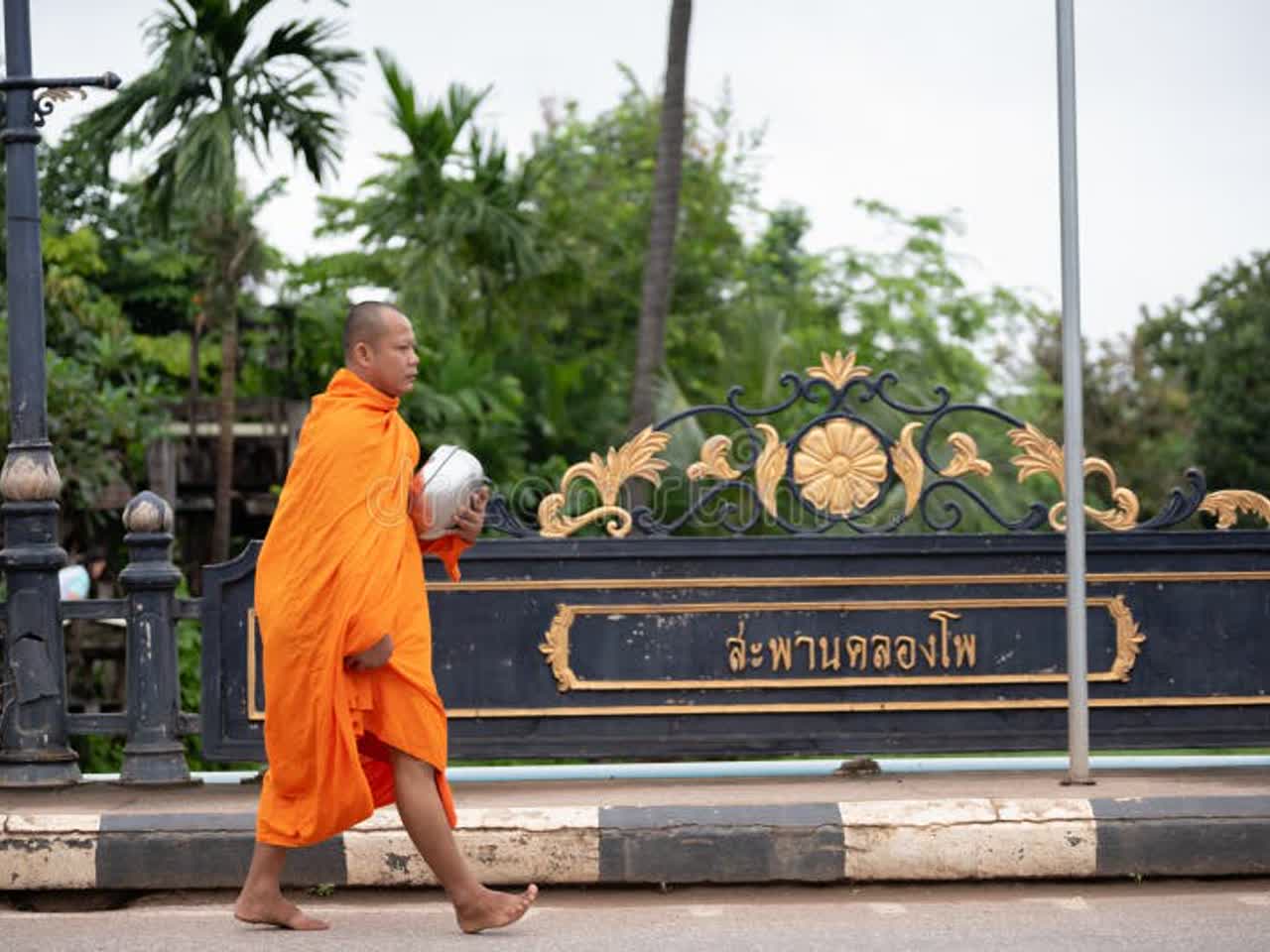
The same hour, four clocks
The same Thailand, the same hour—Bangkok’s night is loud with neon, Chiang Mai’s can turn still under a sky of lanterns, Isan’s runs hot on drums, and the South lets half its streets sleep first.
Assume “temples by day, night markets by night,” and you will miss the country’s best layer: faith differs, so every region runs on its own clock.
Put your ear to the ground and you hear four sounds: Central temple bells against morning traffic, the North’s alms bowls and cooler mountain air, the Northeast’s khaen pipes and drums, the South’s call to prayer and wind chimes. Below we sketch each region’s day face and night face—and, if your days are limited, which single moment is worth one extra night.
East Marvel’s default: we ask first, “Do you want ceremonial, gentle, exuberant, or two worlds on one street?”—then choose cities. Festival peaks (Yi Peng lanterns, Mekong light boats, the Vegetarian Festival, Phi Ta Khon) get their own ticket and lodging locks. They are never crammed into an ordinary night-market evening.
Bangkok and Central: royal Buddhism, urban day and night
Day: incense beside the morning commute
Faith base: royal Buddhism. Religion is tied tightly to the crown; the Emerald Buddha and the Grand Palace are national frontage. Here faith is more formal, more urban, more about presence.
Around 5:30 in Sukhumvit, before full light, headlights already cut the haze. Under the expressway, monks in saffron walk barefoot with their bowls. A taxi pulls over; rice passes through the window; palms join; a low blessing returns—glass office towers right behind them. Bangkok’s faith does not hide inside temples. It rides the morning rush.
The Grand Palace and Wat Phra Kaew are the most solemn daylight stop: white walls, gold roofs, security, and a dress check (shoulders and knees covered). The Emerald Buddha is dressed by the King three times a year. Tourists crane for photos; devotees kneel. Two postures under one roof.
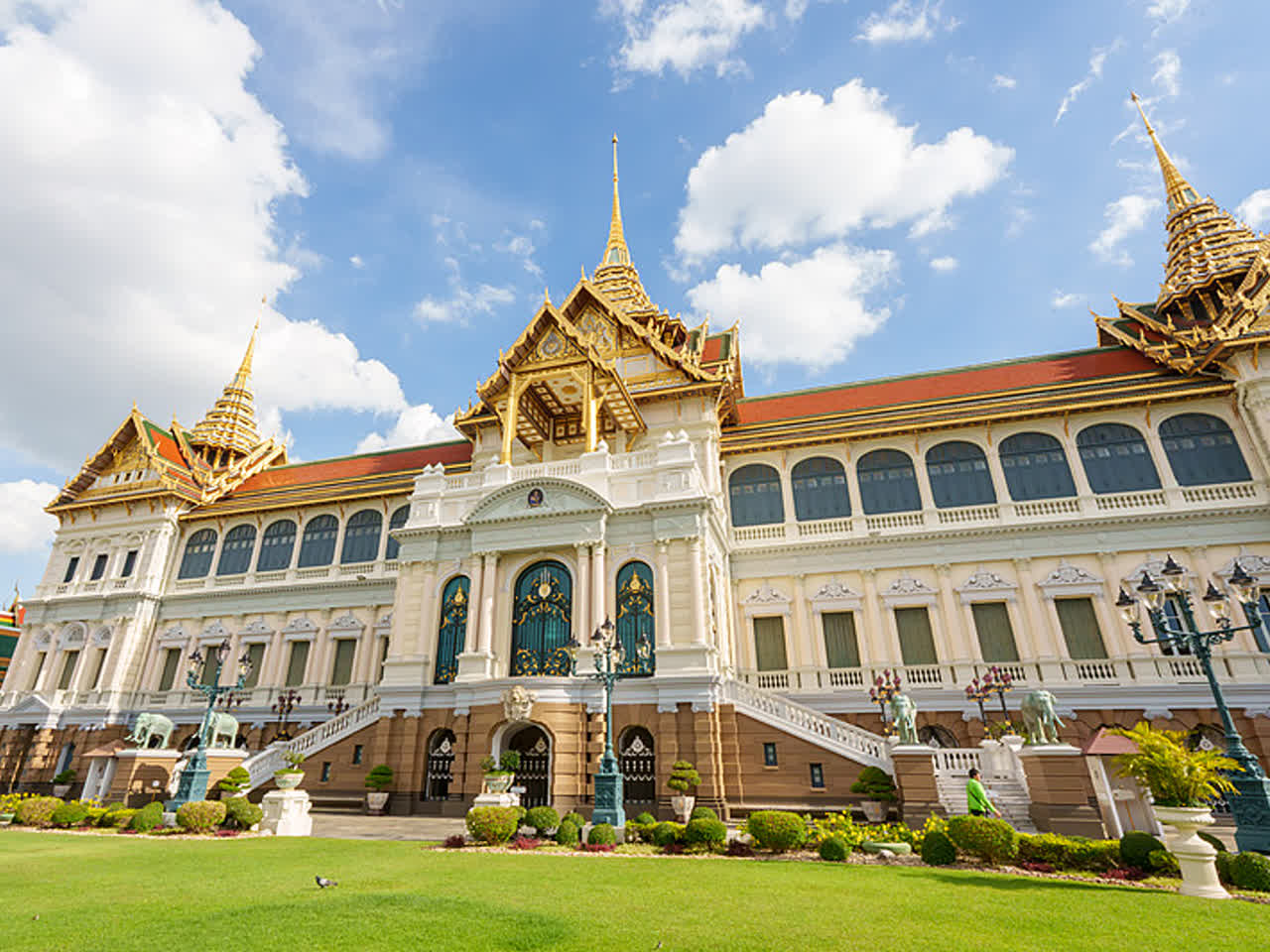
Details: shrines in shopping-mall atriums, amulets and jasmine garlands on taxi mirrors, monks’ portraits beside convenience-store counters. The face of a Buddhist nation and the daily grind open for business at the same hour.
Night: neon on, shrine lights never out
Khao San, Silom, Yaowarat—music, charcoal smoke, river-boat lights, and golden stupas all lit at once. Look closer: at lively corners stand small lit spirit houses. Stall owners light incense before opening. At 2 a.m., a late walker may still join palms on instinct. Bangkok’s night is indulgent and devout. Two faces, one street—neither cancels the other.
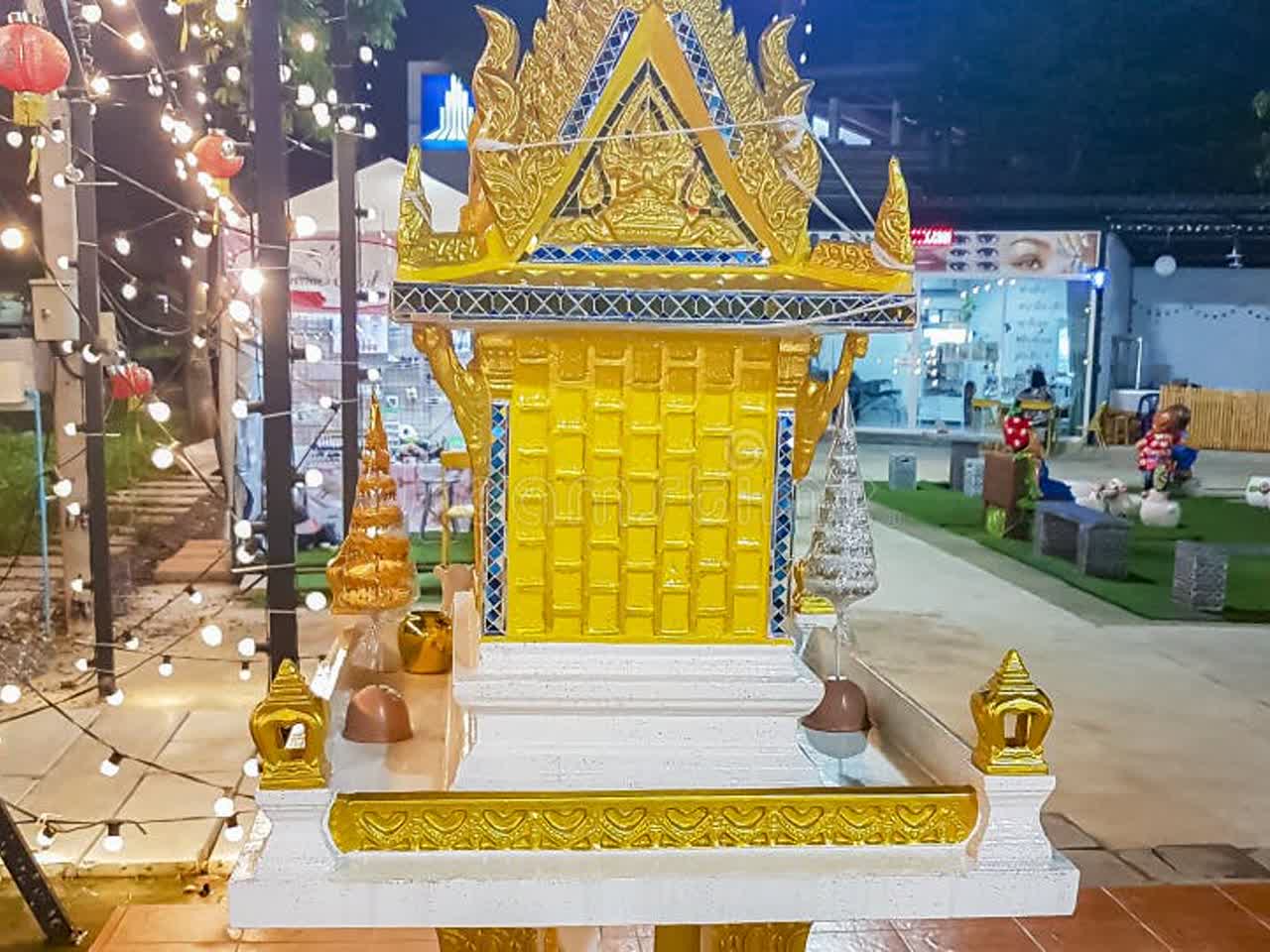
Moment worth one extra night: a dawn alms round on a side lane; or the first hour after the Grand Palace gates open (skip noon heat and the longest queues).
Chiang Mai and the North: Lanna’s slow day and night
Day: temple bells, alms bowls, and slowness
Faith base: Lanna Buddhism. Capital of the old Lanna kingdom; wooden layered eaves and slender gold spires; local guardian spirits honored beside the Buddha—faith with the warmth of a mountain town.
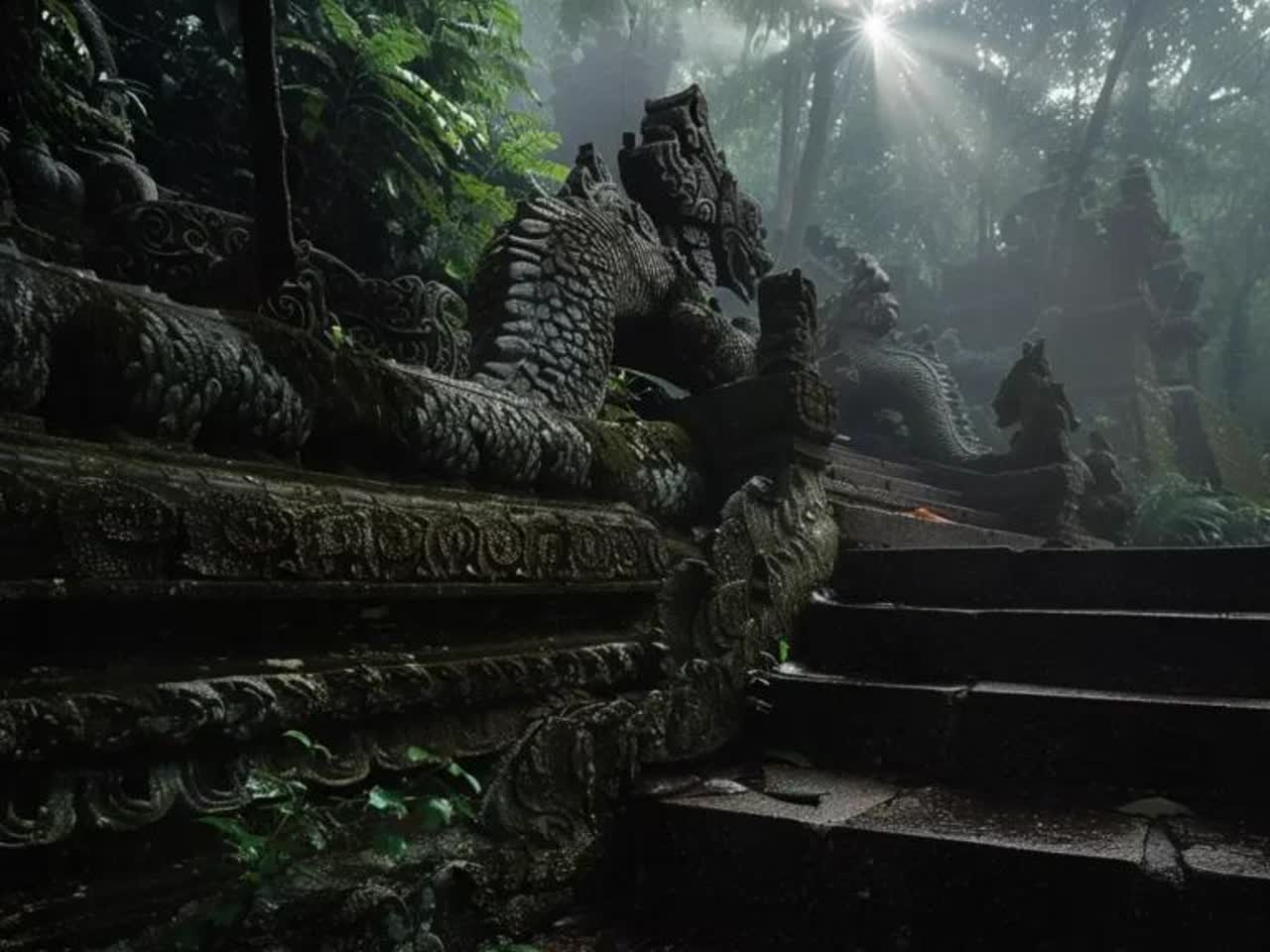
Around 6:00, the Old City wakes to bells—Wat Chedi Luang, then Wat Phra Singh, then Wat Phan Tao, passing the call like a relay. Mist still hangs. A line of monks walks barefoot on wet stone; the offering is quiet, rarely a word spoken. Chedi Luang’s half-ruined fifteenth-century stupa, Phra Singh’s golden Buddha, Doi Suthep’s naga stair—about 300 steps; published counts differ by where the first step is. Early, when few people are about, you hear wind chimes and faint scooters below. Monks’ silhouettes sit beside tourists with coffee: faith here does not hold itself stiff. It is like jasmine in the air—faint and constant.
Night: market warmth, or ten thousand lanterns
Ordinary nights: the Night Bazaar and Sunday Walking Street—silverwork, paper lanterns, mango sticky rice, roadside massage chairs; vendors rarely shout. However busy the market, a stupa lamp waits at the next corner, like an elder watching children play.
On Yi Peng night, Chiang Mai changes face: first the temples and floating krathong, then thousands of lanterns lifting into the sky. The crowd is huge yet strangely quiet, heads tilted up. Faith here is not only seen—it is released. The lanterns do not go up over the old city. They rise at permitted sites outside town, and those nights are usually ticketed. Lock tickets, dates, and rooms early. Dates move with the lunar calendar. In 2026 the sky-lantern nights are 24 and 25 November; listings differ on whether the city program starts on 23 or 24 November. Do not confuse Yi Peng with February’s Flower Festival.
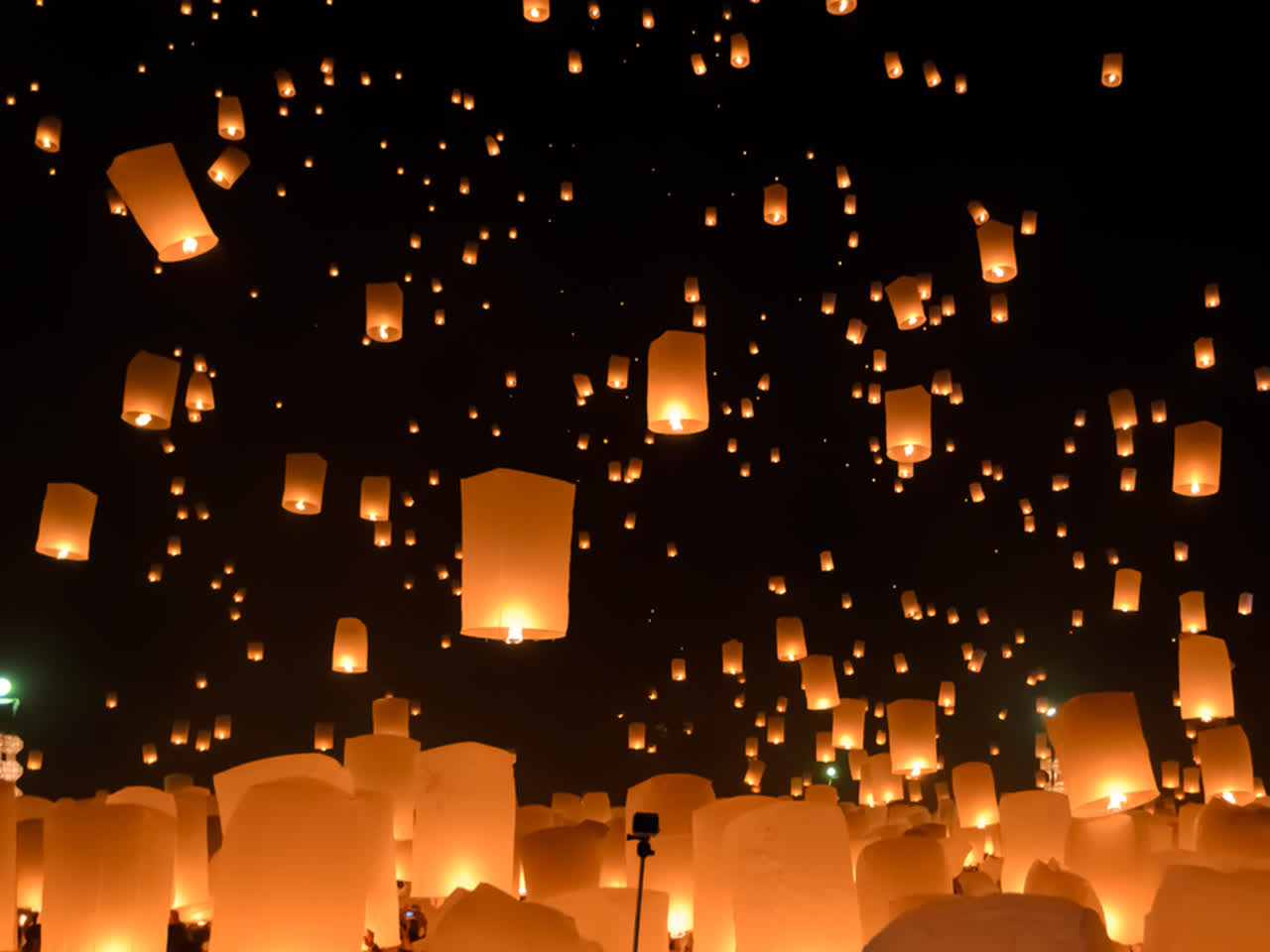
Moment worth one extra night: the instant the lanterns rise at a permitted site outside town; or a misty early morning at Doi Suthep.
Isan: the exuberant Buddhist–animist mix
Day: village temples and merit you can see
Faith base: Isan Buddhism. Deeply traditional, deeply braided with animism and spirit veneration; ceremonies often carry khaen pipes, drums, and dance—expression is direct and full-hearted.
The dawn offering is often a village-wide affair: wooden wats, threshing yards, dirt roads—intimate as a neighborly visit, with grandmothers slipping extra sweets into the bowls. Chant festivals such as Boon Mahachat may run with bamboo khaen music and drums. Around Ubon Ratchathani, the Candle Festival—at the start of Buddhist Lent, usually late July—carves beeswax into meters-tall scenes from the Buddha’s lives, paraded on floats through packed streets. In 2026 the main days are 28–30 July; some listings add evening processions through 1 August. In Isan, merit has scale and sound.
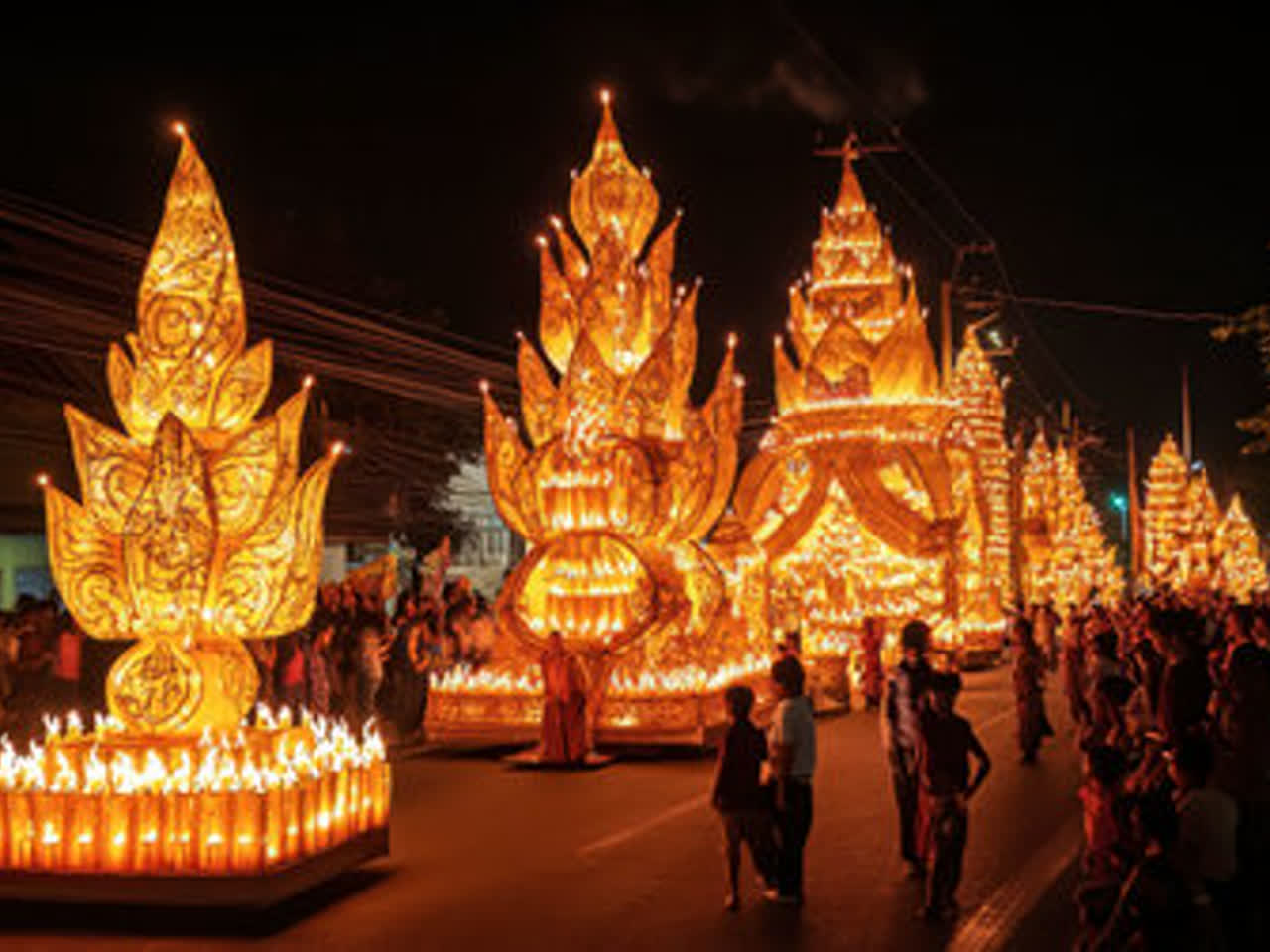
Night: light boats, drums—or the ghost festival
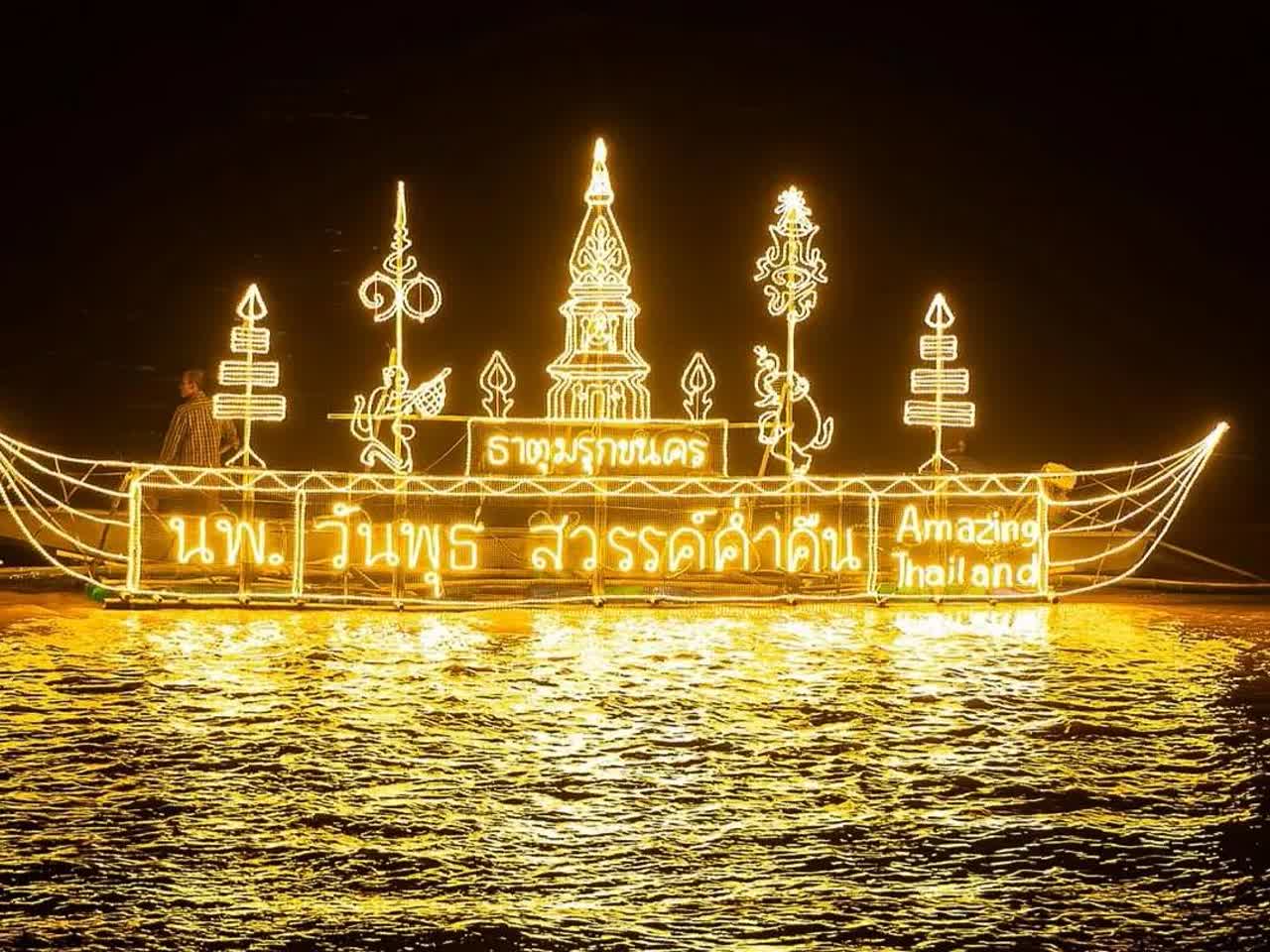
Around Ok Phansa (the end of Buddhist Lent), Nakhon Phanom and neighboring towns light the Mekong: bamboo-and-wood frames carrying tens of thousands of lamps, tracing Buddhas, mythic beasts, and temples downriver while banks sing and fire fireworks through the night. In 2026 the festival runs 16–27 October; the main boats go out on 26 October.
Then there is Phi Ta Khon in Dan Sai, Loei, usually late June—not the October light-boat week. Giant masks on bamboo frames, coconut-husk faces with huge noses and painted grins, go out with wild dancing and firecrackers. In 2026 it is 20–22 June. First-time visitors blink: “This is a Buddhist country?” Locals laugh: first you invite the “ghosts” with noise; then the monks chant blessings over the procession. Ghost and Buddha share the night without apology.
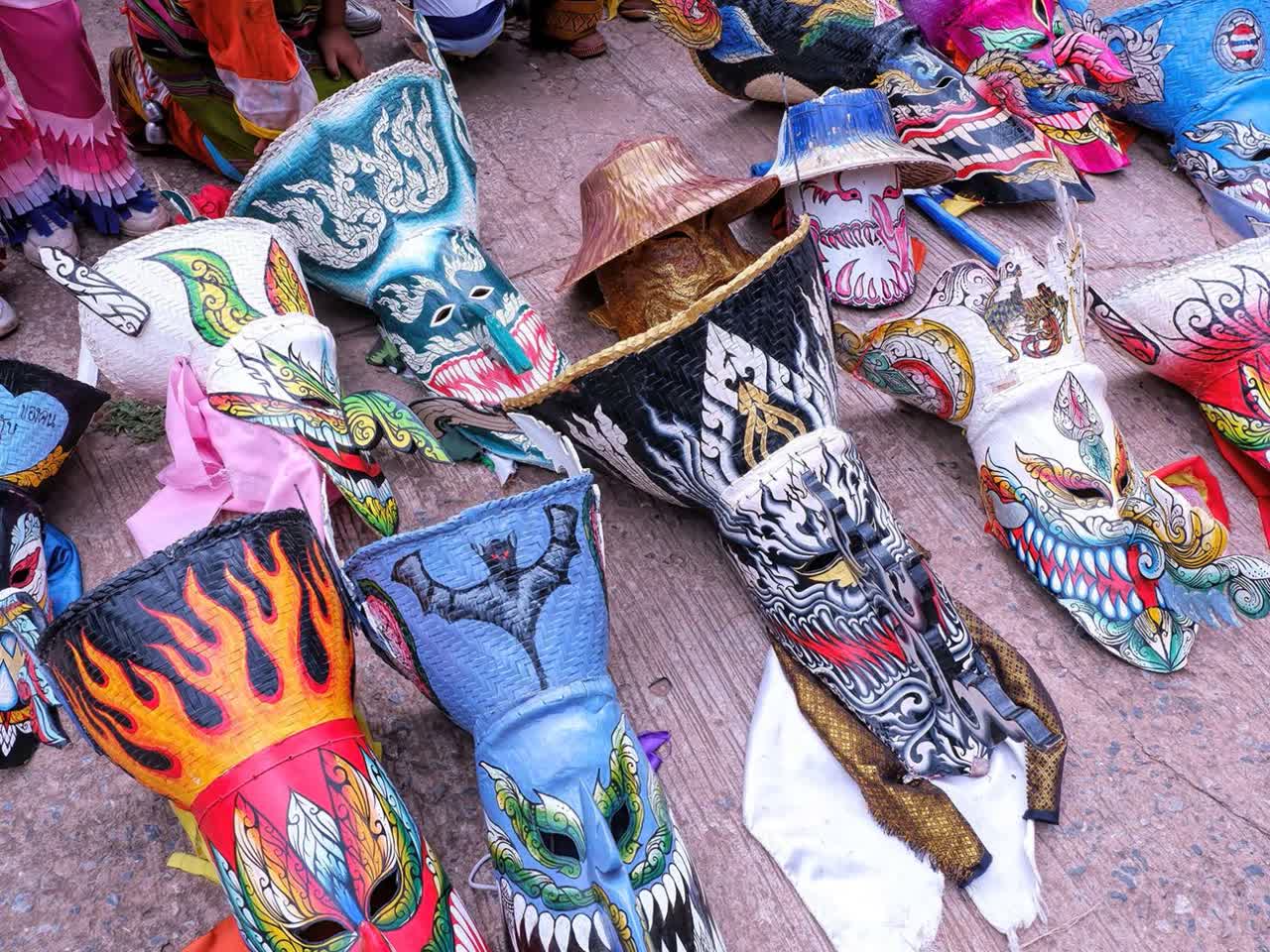
One line: by day, offering bowls and rice fields; by night, drums and light—faith with rhythm, and with masks.
Moment worth one extra night: the Candle Festival procession, or a Mekong light-boat night—for guests willing to travel inland and skip a pure resort checklist.
The South: Buddhist–Muslim rhythm on one street
Day: the call to prayer answering the temple bell
Faith base: plural coexistence. Muslims are about 5 percent of the country, and a far larger share of the South than of the other regions. Chinese Guanyin devotion and the Vegetarian Festival (Nine Emperor Gods) color places like Phuket.
Around 5:00 in a city such as Hat Yai, the mosque’s call to prayer rises first; the temple bell across the street answers moments later. Women in headscarves set out coconut rice and satay; a few steps away, devotees offer jasmine to a golden Buddha. In Phuket Old Town, under Sino-Portuguese shophouses, a Guanyin shrine burns incense beside a vegetarian lantern—in one day you can meet Islam’s prayer, Buddhism’s morning bell, and a Chinese deity. Two systems share one market. The unwritten street law is mutual respect.
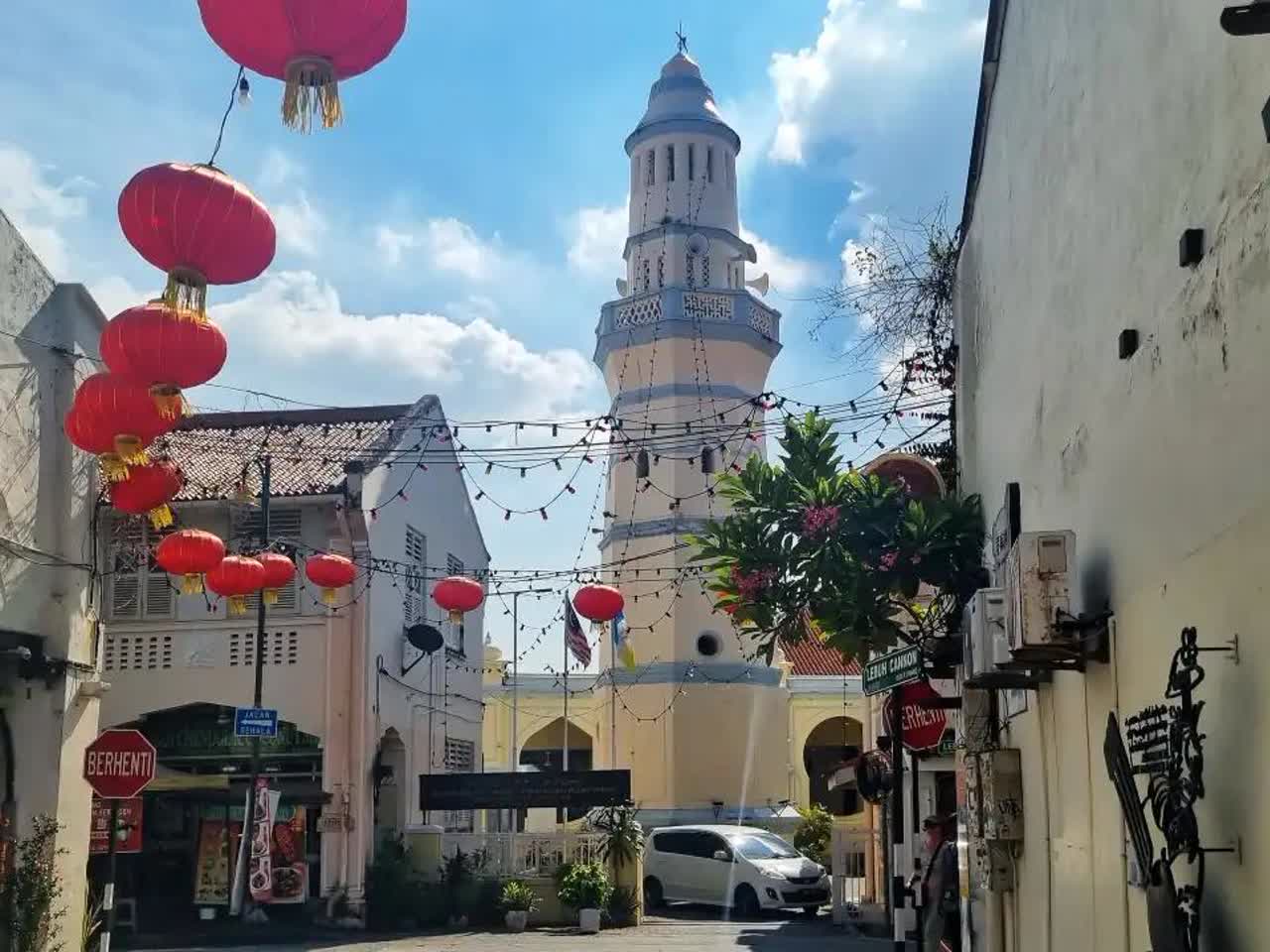
Night: half the city sleeps early, half stays lit
Muslim neighborhoods follow the prayer rhythm and quiet down early—shutters down, streetlights low, insects and the occasional scooter. A few blocks away, Buddhist districts and tourist towns run another clock: Phuket’s night markets grill seafood past midnight; Hat Yai’s snack streets stay busy late.
During the nine days of the Vegetarian Festival, southern nights are at their densest: white-clad devotees carry spirit palanquins, firecrackers run street to street, temples blaze, and the town steeps in vegetarian incense—Chinese faith giving a southern night the intensity of a temple fair. In 2026 those nine days are 10–18 October.
One line: by day, call to prayer and temple bell answer each other; by night, half the city sleeps and half glows—two clocks, one street.
Moment worth one extra night: a Vegetarian Festival procession; or a Hat Yai supper street if you want the “two worlds on one street” feeling.
One table at a glance
Bangkok / Central. Faith: Royal Buddhism, urban. Day: Incense beside traffic; Grand Palace solemnity. Night: Neon, night markets, corner shrines never dark. Lock: Dawn alms round; first hour after palace gates open.
Chiang Mai / North. Faith: Lanna, slow and warm. Day: Temple bells, alms; wats and cafés on one street. Night: Gentle markets; lantern night outside the city, huge yet still. Lock: Lanterns rising; misty Doi Suthep dawn.
Isan. Faith: Buddhist × animist. Day: Village-wide offerings; khaen-and-drum rites. Night: Light boats in October; Phi Ta Khon masks in late June. Lock: Candle Festival; Mekong light-boat night.
South. Faith: Buddhist × Muslim × Chinese. Day: Call to prayer answering temple bell. Night: Half city sleeps, half glows; Vegetarian Festival, nine days. Lock: Procession night; Hat Yai supper street.
How to fit it into your itinerary
Want ceremonial and national frontage → Bangkok: dawn alms plus an early palace visit; the night can be lively, but save one glance for the corner shrines.
Want gentle, with a night you can “release” → Chiang Mai: slow days; if Yi Peng falls in your window, keep that night free and book the lantern site outside town; otherwise Sunday Walking Street and stupa lights.
Want exuberant and folk-rich → Isan: accept the longer road and fewer international-resort comforts; in return, drums and light boats.
Want two worlds on one street → the South: hear both voices by day; at night choose the quiet street or the loud one—or walk both.
In 2026 the Phuket Vegetarian Festival (10–18 October) overlaps the Nakhon Phanom light boats (16–27 October, main night 26 October). They are two trips, not one week.
On the classic 10–14 day triangle (Bangkok–Chiang Mai–beach), there is no room for deep Isan and South immersion. Pick one day-and-night theme to deepen. Use related reading for the rest. Do not give each region half a day and call it done.
About East Marvel
East Marvel plans private trips for Western and international guests. When choosing cities, we do not ask whether there is a night market. We ask first which kind of day and night you want. Festivals (Yi Peng, Mekong light boats, Phi Ta Khon, the Vegetarian Festival, Songkran) get dates and tickets checked separately and written into a cancellable or adjustable skeleton.
Easiest start: send your month, party size with children’s ages, whether you lean quiet, lively, or folk-distant, and the one night you refuse to miss. We will mark the default city order, which night deserves an extra room night, and which beach leg should switch coasts by month.
Related reading: East Marvel’s Thai Buddhism Explained, Thailand Songkran 2027, Chiang Mai Flower Festival 2027, How to Choose Thailand’s Islands, and How to Plan a Multi-Generational Family Trip to Thailand.
FAQ
I only have one week—how do I choose a day-and-night theme?
Bangkok plus Chiang Mai already contrasts urban double-face with Lanna slowness. Deep Isan and South immersion suits a second trip or 16-plus days.
Does the lantern night have to be in Chiang Mai?
It depends on that year’s Yi Peng dates and tickets. The sky-lantern release is outside the city, not over the old town. Until dates are official, keep flights and hotels flexible.
Is Isan safe, and is it worth it?
Very worthwhile for guests willing to travel inland and accept simpler infrastructure. It is not a pure beach-resort default. A private car and guide beat hailing rides on the spot.
What should I watch in the South?
Respect both etiquette systems—mosque and wat—in dress and photography, scene by scene. Sensitive border districts are not part of the ordinary vacation default; the itinerary is set around your specific stops (Phuket, Hat Yai, and so on).
Closing
Faith directs Thailand’s day and night: the Central region builds it into national frontage, the North lives it as daily warmth, the Northeast dances it as folk drums, the South paces it as parallel rhythm. Choose the day and night you want first—then the gold spires and the neon will not blur into the same postcard.
What we recommend
The published 10-day route is the Bangkok–Chiang Mai–Phuket triangle in this guide. It adds a Phi Phi boat day. It does not include Yi Peng, the Mekong light boats, or the Vegetarian Festival.