
Three generations, one rhythm
Thailand is one of the easiest long-haul destinations for three generations at once: layered culture, mature beach resorts, experiences that work across ages, food that can stay mild or go bold, and night markets that keep evenings shared without forcing a late night.
East Marvel plans private Thailand trips for Western and international families. This guide collects what we prioritize when grandparents, parents, and children travel together: matching dates to the group, choosing destinations that will not exhaust anyone, placing hotels where rest is easy, moving between cities without marathon transfers—and designing days where each generation can enjoy the trip at its own pace.
East Marvel’s default: a multigenerational trip is built around energy levels, not checklists. One major activity per day, with real rest written in. Hotel location outranks star rating. Islands only where infrastructure is mature. Cities linked by short flights plus private transfers. Every section below follows that logic.
Best time to visit: match the months to the family
If dates are flexible, the safest overall window is about November–February: dry, and cool enough for grandparents and young children. March and April stay dry, but the days are hot. April is the hottest month, and Songkran falls then. Thailand is large, and climates differ. The best month still depends on what the family most wants to do.
Beaches and island time. Nov–Apr (Andaman: Phuket / Krabi side) / about May–Sep (Gulf: Koh Samui)
Waterfalls and lush nature. Erawan about Jul–Oct, when water runs high. Bua Tong about Nov–Feb
Sightseeing and culture. about Nov–Feb (cooler for temples and markets)
Festivals. Apr (Songkran) / Nov (Yi Peng lanterns—confirm lunar dates)
East Marvel’s rule: decide the trip’s center of gravity first—beach, nature, or culture—then match the month. Once dates are fixed, we steer you to destinations that work in that window. Want the sea between May and September? We lean Koh Samui rather than betting on Andaman boat days.
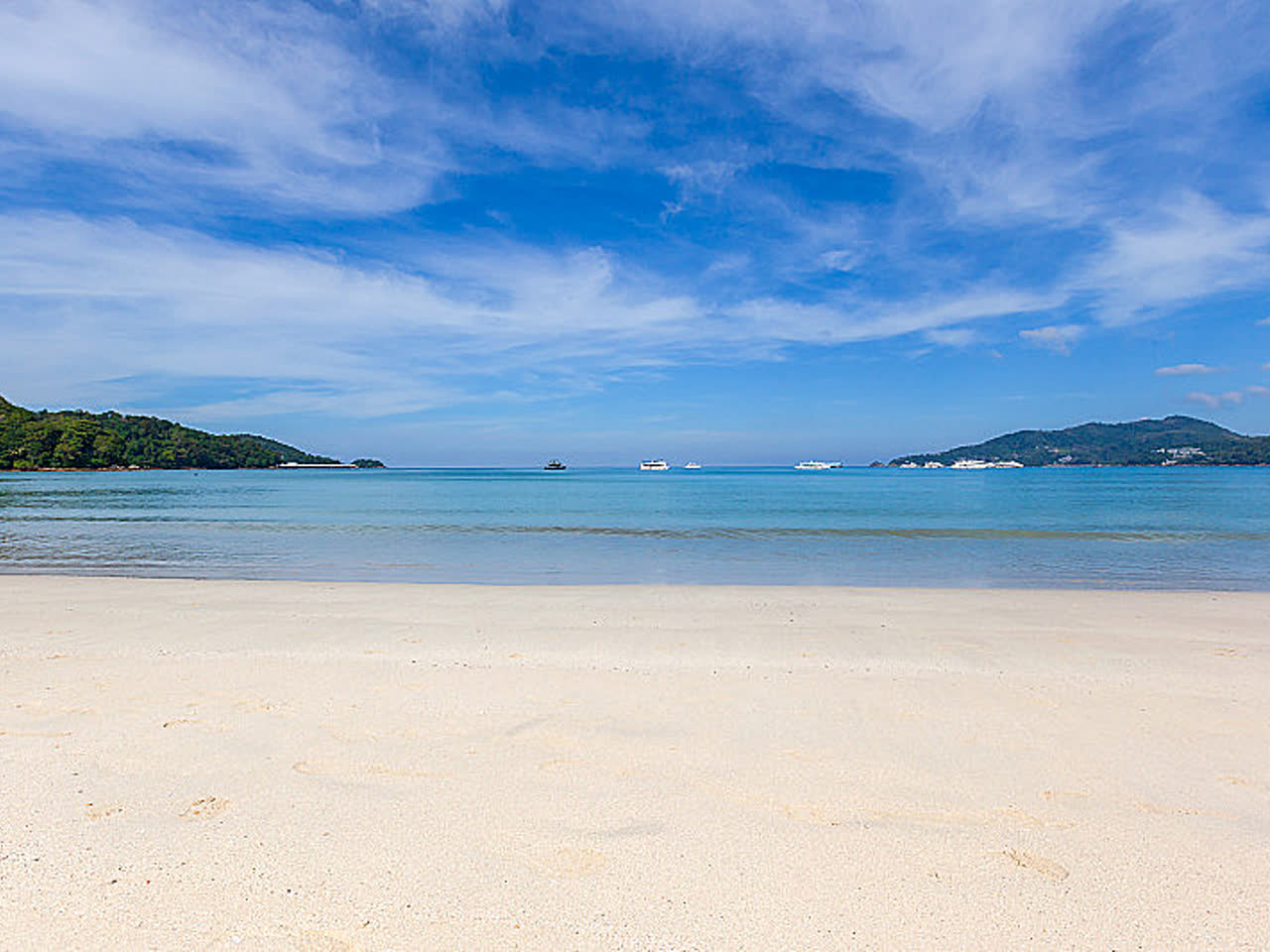
Beach holidays: Phuket and the Andaman side about November–April, when seas are usually calmer for snorkeling and day boats. Koh Samui about May–September, when it is often drier and calmer than the west coast.
Waterfalls and nature: Erawan National Park, near Kanchanaburi, is more impressive about July–October, when the water runs high. Accept showers and slippery paths. Bua Tong, the Sticky Waterfall near Chiang Mai, is a climb on grippy limestone. High water makes the climb harder for children and grandparents. About November–February is the easier time.
Sightseeing and culture: November–February is cooler and kinder for temples, markets, and historic sites with older guests and small children.
Best destinations: Bangkok to quieter add-ons
Bangkok. First-timers of all ages; flight hub about 3 nights.
Chiang Mai. Culture, ethical elephants, hands-on days about 3 nights.
Phuket or Koh Samui. Beach finale with mature services about 4 nights.
Kanchanaburi. Older kids and history about 2 nights.
Hua Hin. Quieter beach and wellness about 2–3 nights.
Khao Sok. Active teens; rainforest (heat and humidity) about 2 nights.
Ayutthaya. History buffs day trip from Bangkok.
Erawan National Park. Nature / waterfalls day trip or overnight with Kanchanaburi.
Phetchaburi. Off-path food and old-town charm about 1–2 nights.
Bangkok — where the family journey starts
Most long-haul flights land at Suvarnabhumi (BKK), so we usually begin here. The first afternoon stays light: rest, hydrate, ease jet lag. The next days take one or two icons (Grand Palace, Wat Arun) early, then shared, lower-stress experiences—a long-tail on the canals, a night market, a gentle family massage. Midday outdoor queues in hot season are a poor fit for three generations.

Chiang Mai — slow the pace
A compact Old City and lighter traffic make Chiang Mai the most relaxed stop on many multigenerational routes. East Marvel’s default: one major activity per day. Doi Suthep works best in late afternoon, when it is cooler and views open. Other hours: a Northern cooking class, an ethical elephant sanctuary (no riding), a farm visit for younger kids, or simply Old City cafés and night markets.

Phuket or Koh Samui — only islands that can carry the family
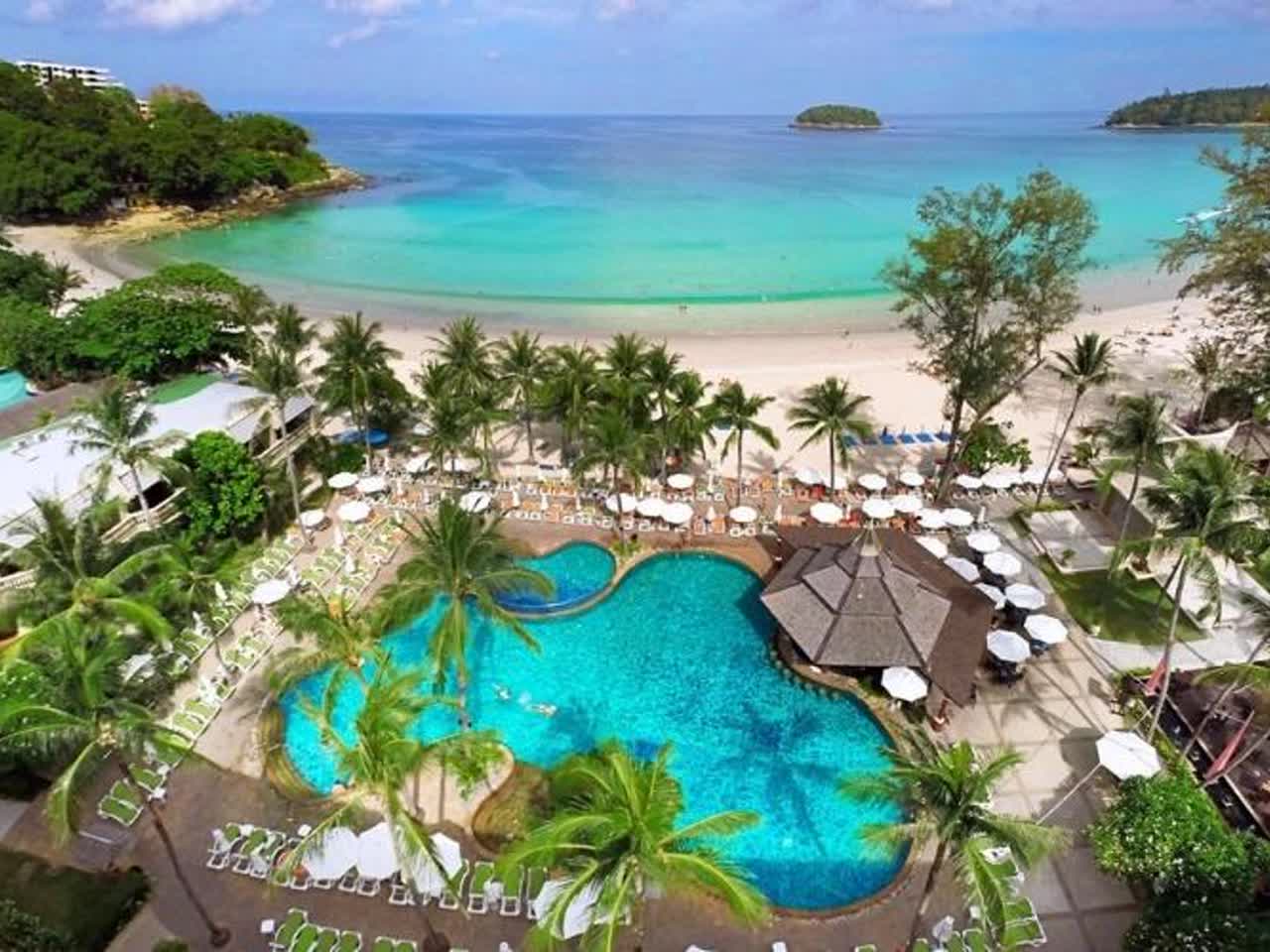
We choose islands on logistics, not scenery alone. Transport, dining, family hotels, and reliable services matter more than a postcard bay. Phuket and Koh Samui both have mature beachfront resorts, restaurants, shopping, medical access, and family activities—plus airports with frequent links from Bangkok and Chiang Mai. For most multigenerational families we default to these two, not to smaller islands that look better online but add boats, thin infrastructure, and tired evenings.
Beyond the classic route
Hua Hin for quieter beach and wellness; Khao Sok for rainforest and lake stays if teens want adventure and grandparents accept humidity; Kanchanaburi or an Ayutthaya day for history; Erawan for waterfall terraces in the wetter months; Phetchaburi for food and old-town texture without a full detour.
Sample itineraries
For a first Thailand trip we usually recommend 10–14 days: enough for the highlights at a comfortable pace, with rest built in for uneven energy.
The classic 12 days: Bangkok – Chiang Mai – Phuket (or Samui by month)
Best introduction for a first-time family: Bangkok landmarks, optional Kanchanaburi history, Chiang Mai culture and elephants, then a beach finale. Sightseeing, hands-on time, and free afternoons stay balanced so each generation finds its rhythm. East Marvel stretches this to 12–14 days and can swap any day for cooking, farm, spa, or pure rest.
The lantern 6 days: Chiang Mai
Built around Yi Peng in November: lantern release (tickets and rules confirmed when announced), local traditions, an organic farm visit, and an ethical elephant sanctuary. A concentrated trip for families who want one shared peak memory. Lantern dates shift with the lunar calendar—we confirm and lock as soon as officials publish.
The luxury 16 days: Bangkok – Chiang Rai – Chiang Mai – Koh Samui
A slower route when time and comfort come first: Bangkok culture, quieter Chiang Rai add-ons, Chiang Mai depth, then Samui to unwind. Higher-tier resorts and carefully spaced activities. Best for families who value comfort over covering every name on a map.
East Marvel’s planning logic: these are skeletons, not scripts. Active kids get cycling, gentle island time, or water play; quieter grandparents get café breaks, shopping, spa, and scenery. A multigenerational trip needs time together—and permission to be apart without guilt.
Choosing hotels: location beats star rating
East Marvel’s first hotel rule is always location. A good hotel is not only a good night’s sleep—it cuts daily transfer fatigue and gives anyone an easy retreat when energy drops.
Bangkok: near BTS or along the Chao Phraya.
Chiang Mai: near the Old City.
Islands: beachfront or short walk to sand, so naps do not require a taxi.
Then match the room type to the group:
With infants or toddlers: apartment-style or family rooms with space to prep snacks and settle.
With senior guests: confirm elevators and step-free access where possible; keep rooms close to restaurants and lobby.
Where useful: connecting rooms or family suites—private space, doors open when needed.
Getting around: flights plus private transfers
Thailand’s network is stronger than many first-timers expect. For three generations, East Marvel’s default is short domestic flights plus private transfers at each stop—faster and calmer than long trains or public-transport luggage relays.
Bangkok → Chiang Mai. about 1h 15m
Bangkok → Phuket. about 1h 30m
Bangkok → Koh Samui. about 1h 10m
Chiang Mai → Phuket. about 2h. Directs run through the year.
Chiang Mai → Koh Samui. about 1h 45m direct, most days. Via Bangkok if that flight is full.
Itineraries turn on four gateways—Bangkok (BKK/DMK), Chiang Mai (CNX), Phuket (HKT), and Koh Samui (USM)—linked by frequent 1–2 hour flights. East Marvel’s rule: pay a little more for flights rather than put three generations on long buses or stacked ferry hops.
Within each place, a private car keeps the day on your clock: no station sprints, no suitcase stairs, no arguing with street taxis. With grandparents, young children, or multiple bags, this choice saves more energy than almost any other line item.
What to pack
Everyone: light clothes, comfortable walking shoes, sunscreen, insect repellent, reusable water bottle.
Grandparents: prescription medicines, extra-comfortable shoes, a travel pillow for transfers, a light wrap for temples (shoulders and knees).
Young children: familiar snacks, comfort items, essentials, a lightweight stroller if you use one at home.
Food: Thai cuisine is famous for heat, but many classics stay mild—fried rice, noodle soups, grilled chicken, fresh fruit. In Bangkok, Chiang Mai, Phuket, and Samui, Western options sit beside Thai menus; mid-range and upscale hotels usually offer both at breakfast. East Marvel’s approach: try Thai food at the family’s pace, keep familiar dishes available for cautious eaters, and have the guide pass allergies and dietary needs to restaurants in clear English or Thai.
Strollers and mobility: major airports, malls, modern hotels, and many attractions are manageable; historic temples often mean uneven paths and stairs. Stay central, use private transfers, and bring a lightweight stroller if needed.
Walking load: a typical sightseeing block is about 2–4 hours on foot. Heat, humidity, broken sidewalks, and temple steps make the same distance feel longer. We plan walking for grandparents and kids at roughly 70% of a fit adult’s tolerance—then design the day so nobody has to test the limit.
About East Marvel
East Marvel plans private trips for Western and international guests. For multigenerational travel we do not default to three packed sightseeing days. We ask first: What is the grandparents’ real energy level? What will the kids actually enjoy? Which days must be together—and which can be apart?
Easiest start: send your travel month, party size with children’s ages, and the three experiences the family most wants. We return a month-matched destination plan, a one-major-activity-per-day skeleton, hotel positioning (connecting rooms or family suites where useful), flights plus private transfers, and a written adjustable program—with festival dates confirmed when officials announce.
East Marvel: no one has to keep up. Three generations, each comfortable, on the same trip.
FAQ
Is the dry season a must for a family trip?
No. About November–February is the easiest overall window: dry, and cool enough. March and April are dry but hot. Beach in May–September? Koh Samui. Waterfalls in August? Erawan at fuller flow. Culture? November–February.
How many days should a first family trip be?
We usually recommend 10–14 days—enough for the highlights without exhausting grandparents or children, with rest days built in.
What if our family has very different interests?
That is normal—and useful. Shared mornings (temple, sanctuary, beach) plus free afternoons each generation spends its own way.
Can East Marvel handle allergies, mobility needs, or infants?
Yes. Guides communicate dietary needs to restaurants; hotels are checked for elevators, connecting rooms, and access; infant-friendly stays can include kitchenette-style options and earlier rest.
What does East Marvel change in a family-trip quote?
Energy-level pacing, hotel location over star rating, flight-plus-transfer transport, and written flexibility for festival dates—confirmed before you fly.
What we recommend
The route on sale with these three cities is 10 days. It includes a Phi Phi boat day from Phuket. The 12-day and 16-day shapes above are written around your dates.